FOR PEOPLE & THE ENVIRONMENT
Organic Cotton
Organic Cotton
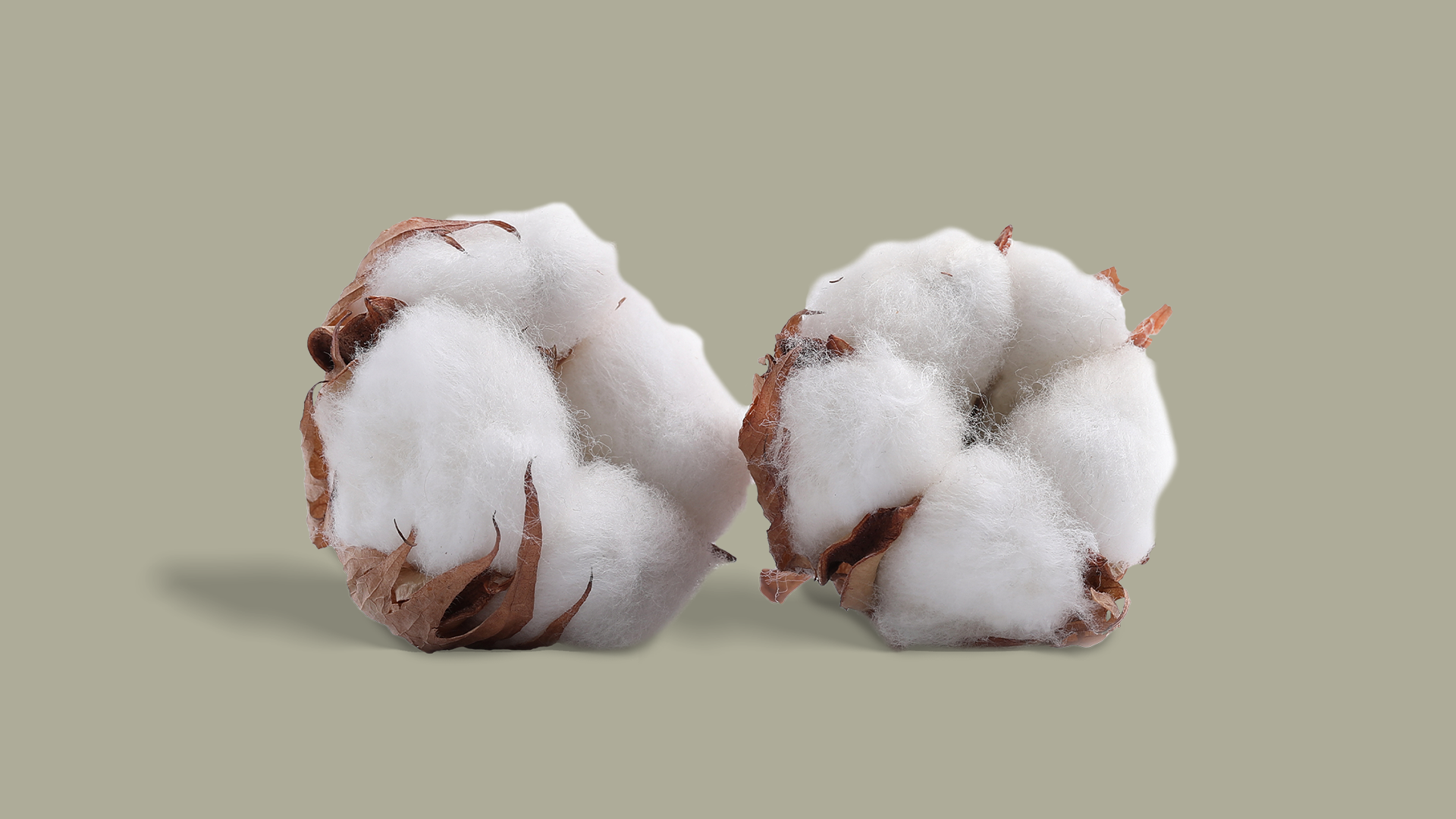
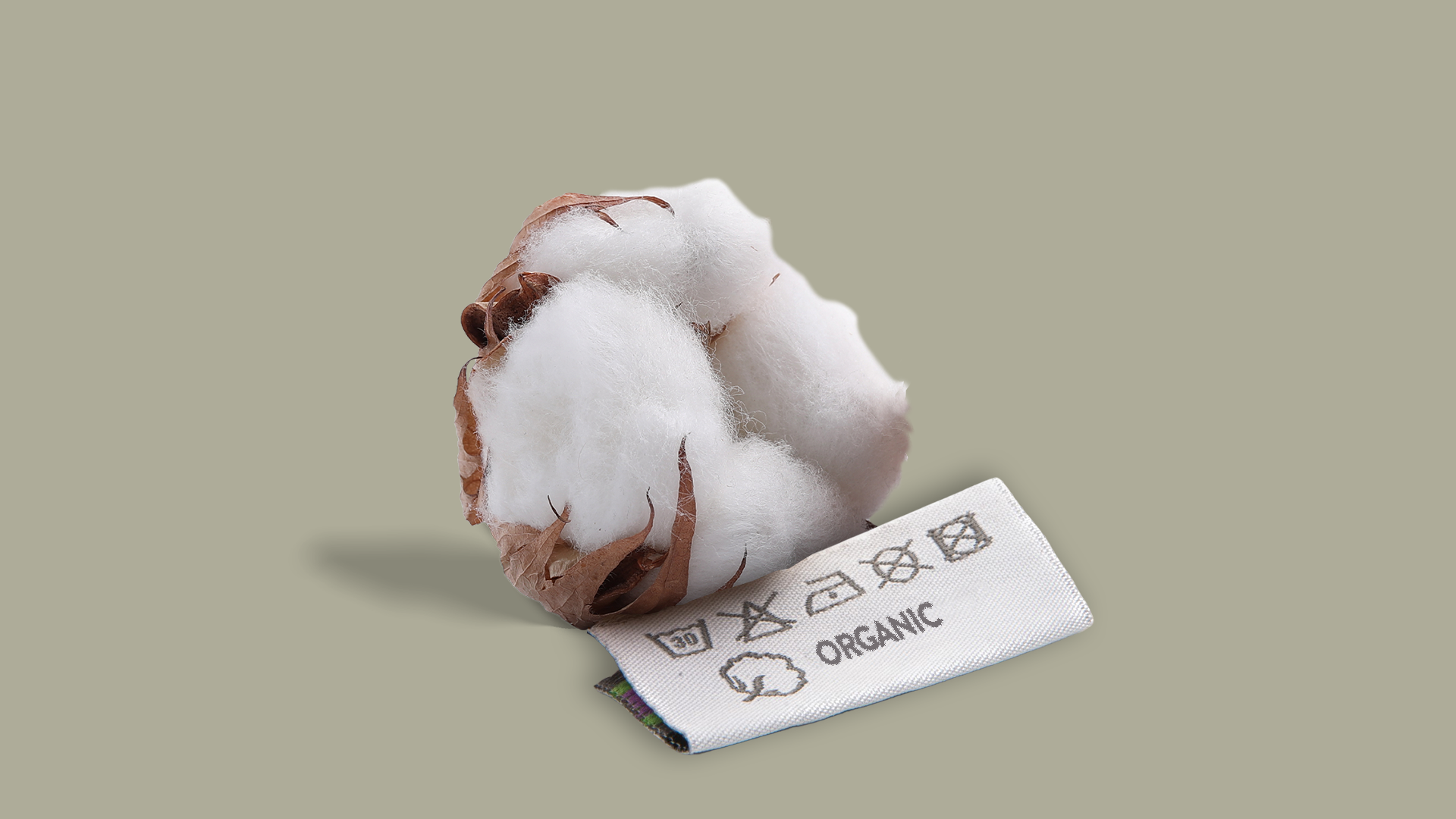
More and more organic cotton is being used in textiles. On the label, just a few letters make all the difference. In reality, there’s a world of difference between organic cotton and regular cotton.
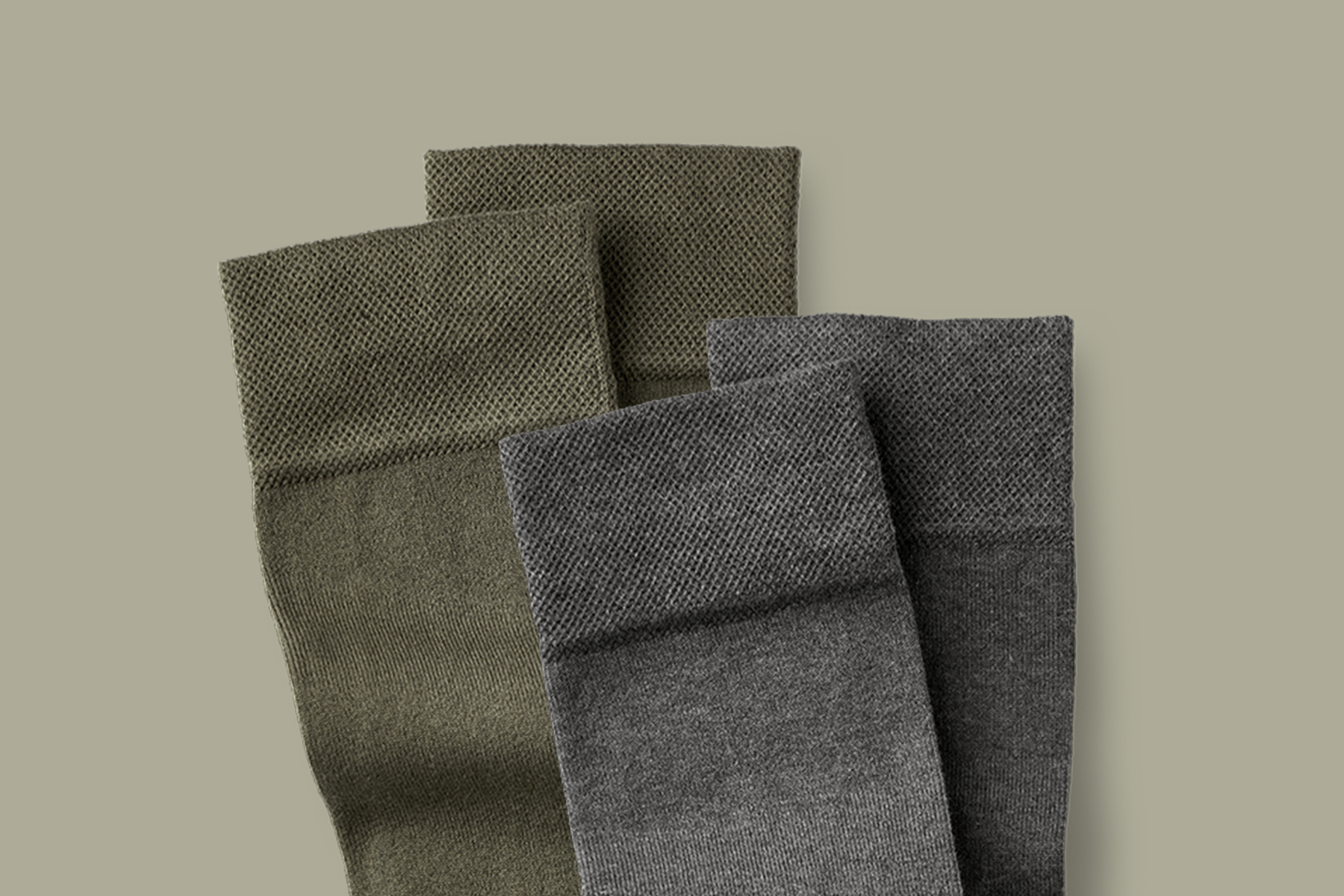
Organic cotton had to overcome several hurdles to earn that designation. Genuine organic cotton is gentle on both people and the environment. In the short term, it may be more expensive. In the long run, it’s better for our health and biodiversity on the planet. Plus, it looks great in our Organic Comfort and organic sneaker socks.
Your benefits:
- Gentle on people and the environment
- Smaller ecological footprint
- Lower water consumption
- No chemicals or genetically modified seeds
- Protects the soil and preserves biodiversity

The Origins of Cotton
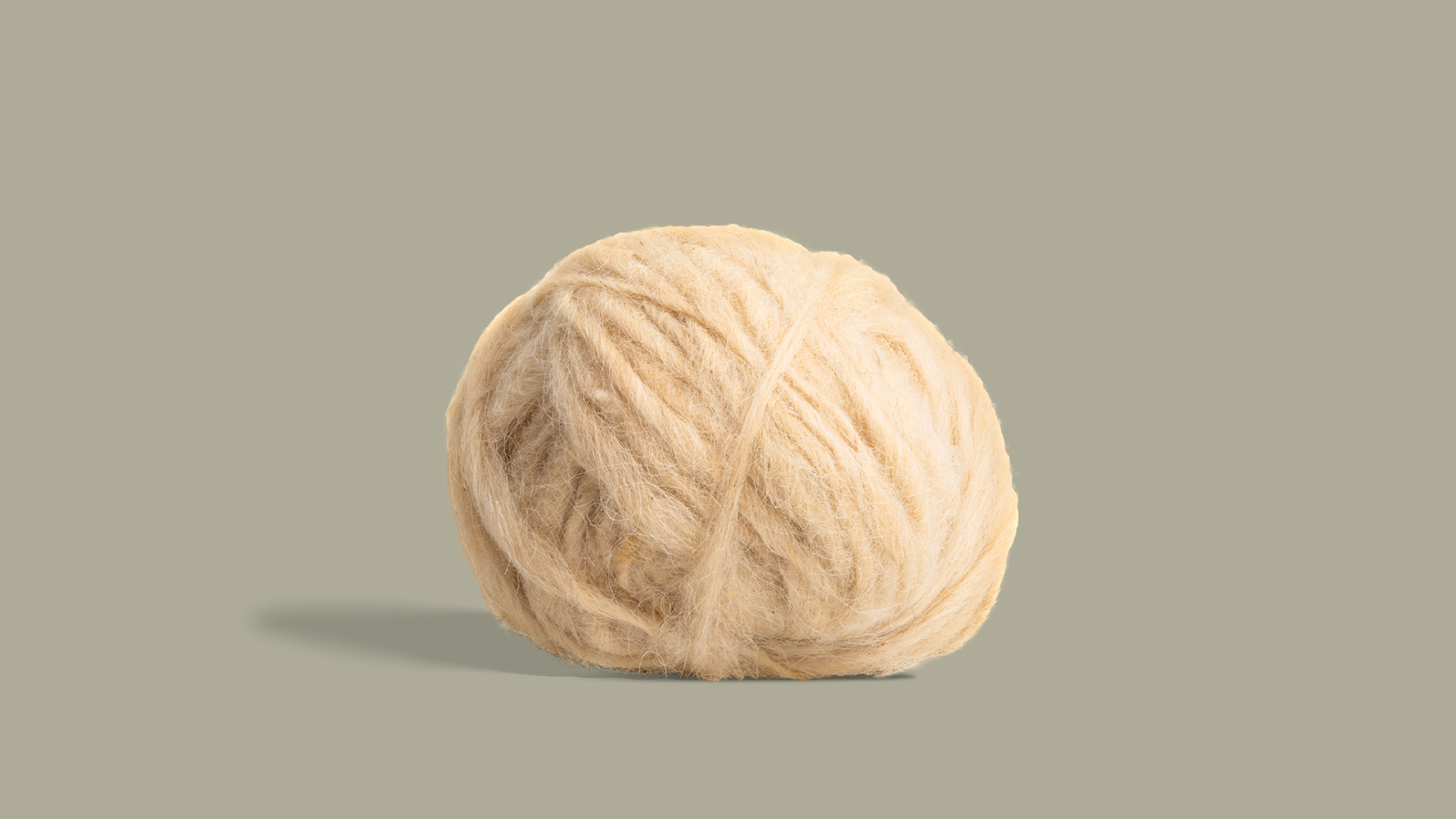
Thousands of years ago, peoples from a wide variety of regions were already using cotton. Remnants of cotton have been found in India, Africa, the Americas, and Egypt. By the Middle Ages and the modern era at the latest, this versatile fiber had spread throughout the world.
The Difference from Regular Cotton
The biggest difference between organic cotton and conventional cotton is how they are grown. Organic cotton is grown without the use of pesticides or fertilizers, and without monocultures.
The cultivation of conventional cotton
Monocultures are common in GMO cotton farming. On the one hand, this strategy encourages pests; on the other, it renders the soil infertile over time. Pests are controlled with pesticides, which in turn damage the soil.
For this reason, conventional cotton requires up to 10,000 liters of water per day. A large portion of this water subsequently contaminates and pollutes nearby waterways. As a result of these practices, natural predators of pests die off, and the diversity of the surrounding natural environment is lost.
Organic Farming
Instead of monocultures, farmers practice diverse crop rotations—the cultivation of a variety of plant species.
This approach has two important advantages: natural soil fertility is preserved, and the plants are less susceptible to diseases and pests. Crop rotations are also one reason why pesticides aren’t needed. Because all those chemicals are eliminated, the soil retains water much better and the plants are more resistant to insects. The result is a natural cycle that sustains itself over the long term.
The Benefits of Organic Cotton
Certified organic farming avoids the use of harmful practices. This protects the soil and biodiversity and keeps nature in balance.
What you’re choosing when you buy organic cotton:
- a smaller ecological footprint
- lower water consumption
- no chemicals or genetically modified seeds
- soil protection and preservation of biodiversity
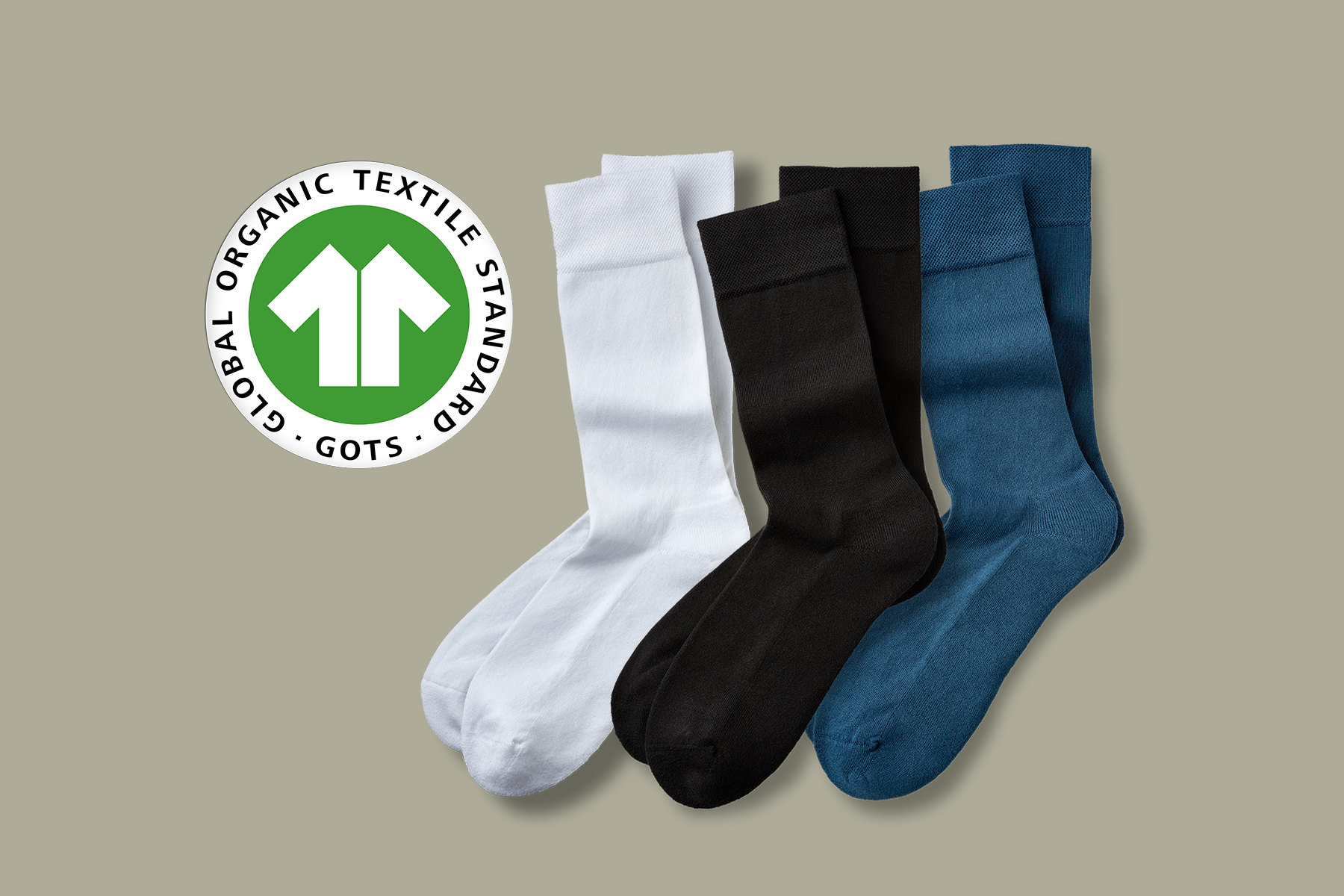
Organic Certifications for Textiles
The term “organic” is legally protected. A product is considered organic only if it meets the certification guidelines. As with food, there are also various certifications for textiles.
Once a year, an independent certification body verifies whether the product continues to meet the requirements. Well-known certifications for organic cotton include, for example:
- GOTS® Standard
- OCS-100 Standard
- kbA (certified organic cultivation)

Organic cotton certified to the GOTS® standard
GOTS® is a leading international standard that sets ecological guidelines for organic textiles. The requirements define the standards for the entire textile production process: from cultivation to the processing of the product.
The criteria of the GOTS® standard include, among other things:
- Use of natural methods to protect against pests
- Use of largely renewable resources
- Preservation of soil fertility
- Testing chemical additives, such as dyes, for toxicity and biodegradability

Social Responsibility
The products are manufactured in accordance with European standards. The organic cotton comes from Egypt and is processed in northern Italy. We work closely with our suppliers.
How to Wash Organic Cotton
Cotton can withstand temperatures of up to 90 degrees. Your organic clothing won't be damaged if you wash it at a higher temperature every now and then. However, the recommended temperature is 30 degrees. This helps preserve your organic clothing and keeps it looking good longer.

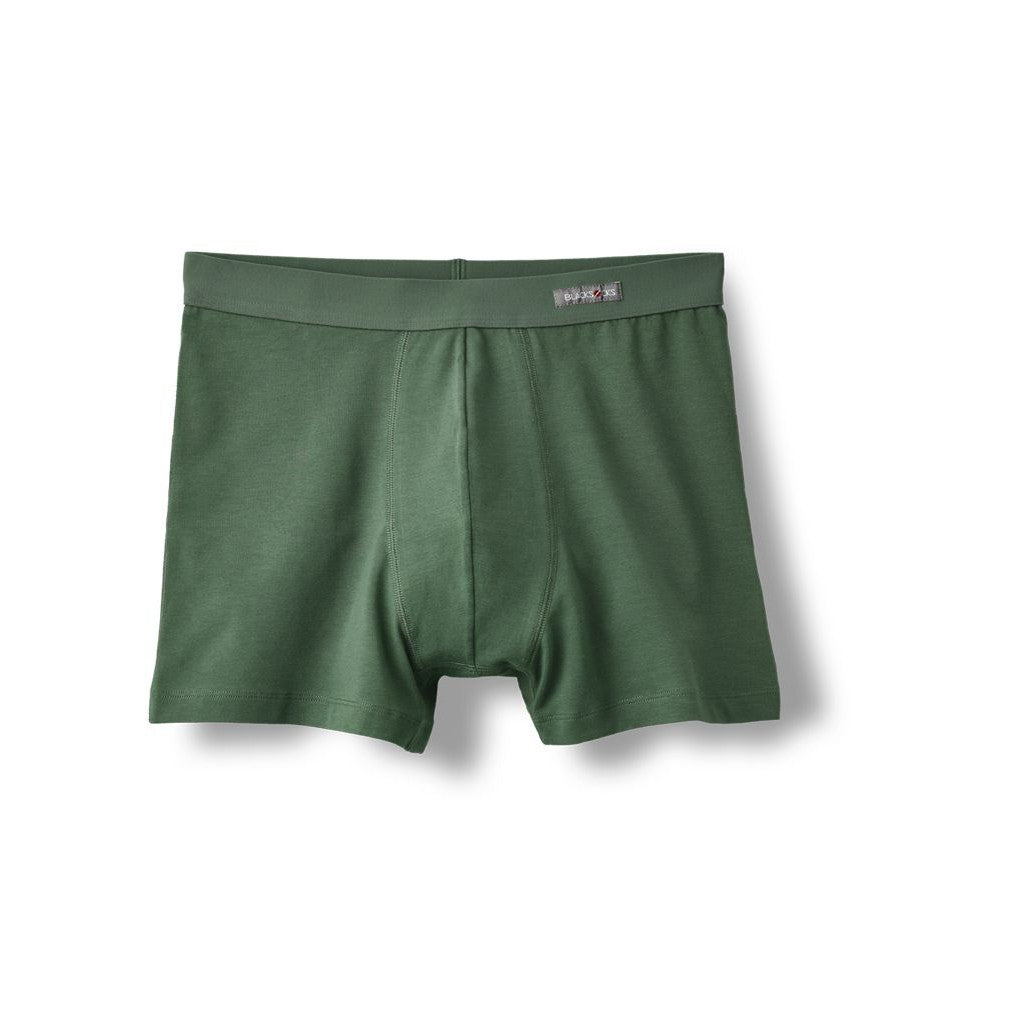
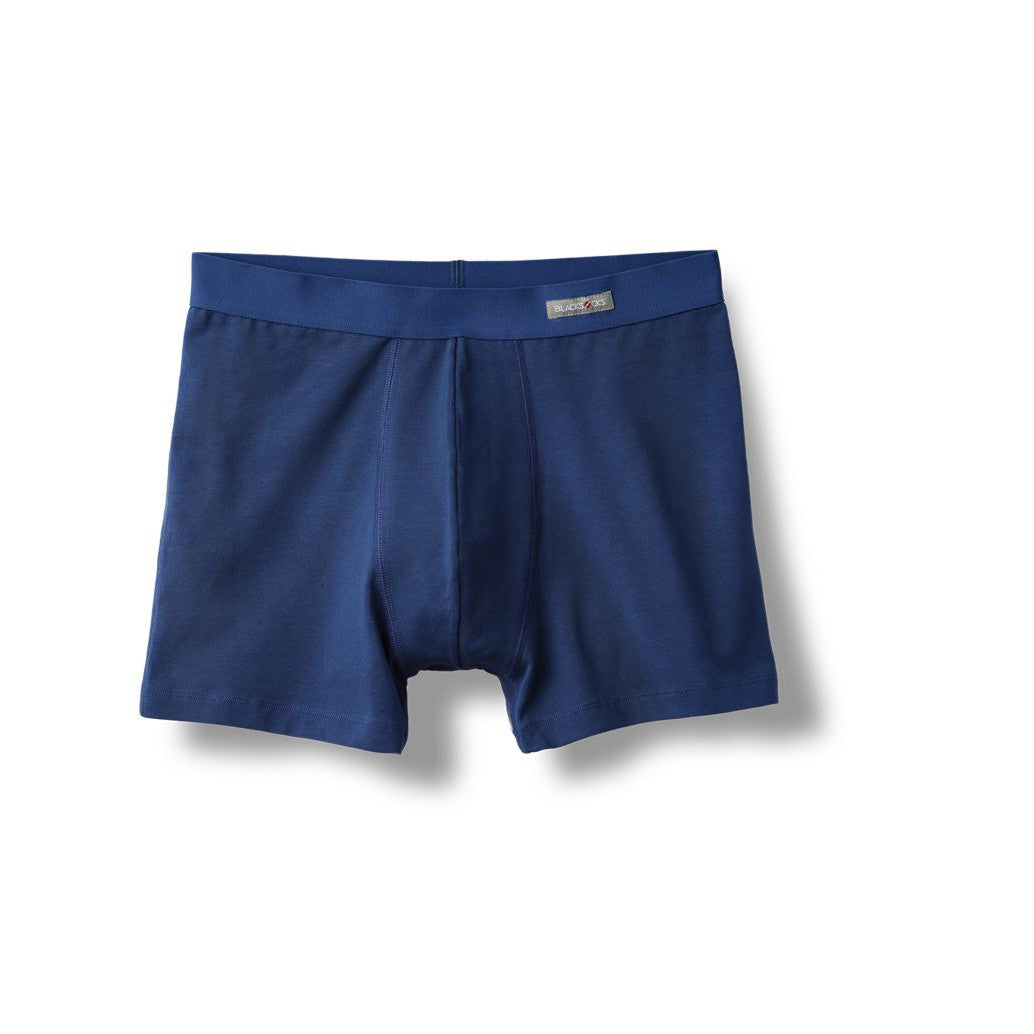
Our organic cotton products




Our Other Materials