White Tie
Wearing a top hat and long socks
Dress code: “White Tie” / “Cravate Blanche”
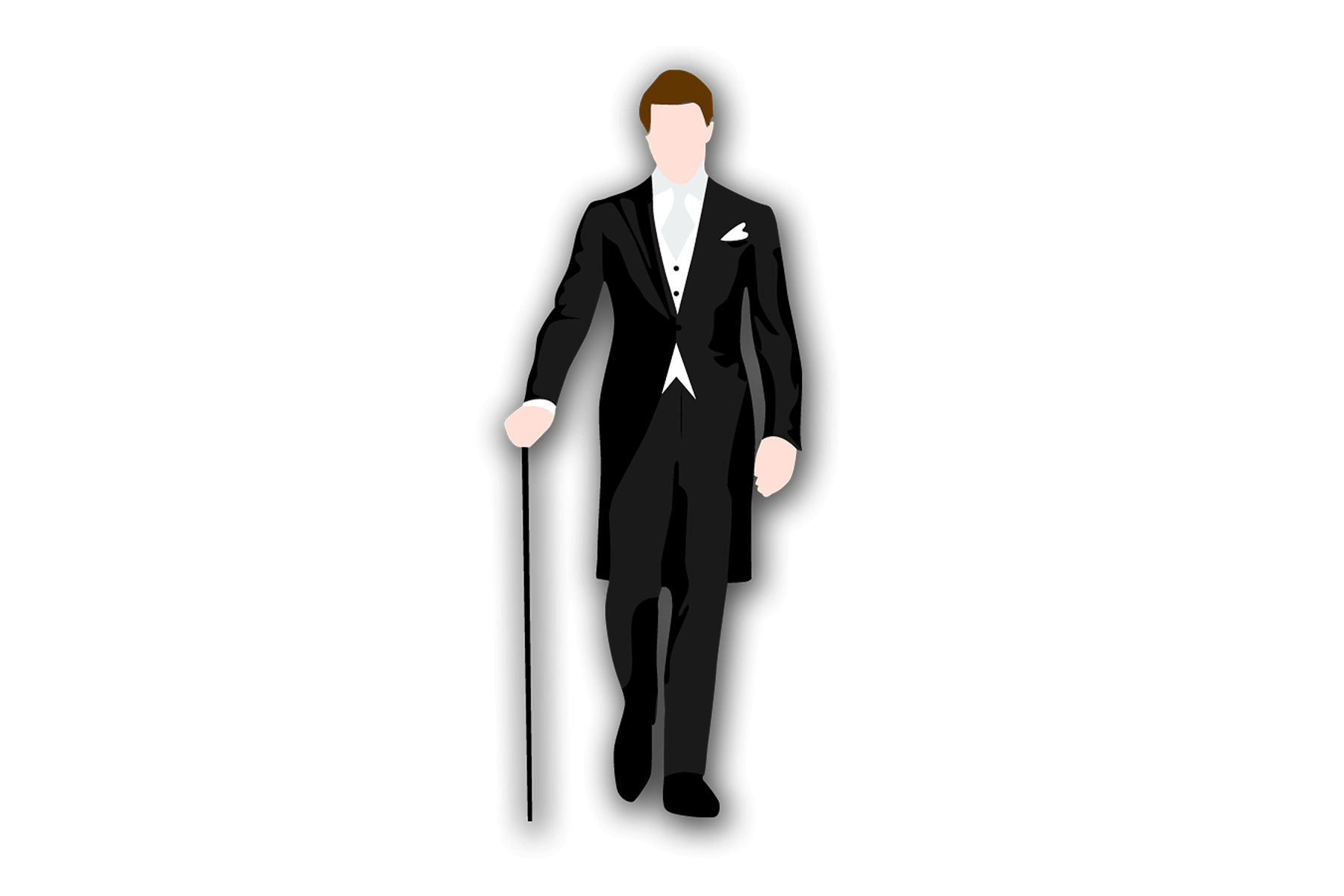
When an invitation specifying the “White Tie” dress code arrives in the mail, it promises to be a special, extraordinary occasion. These days, the tailcoat is often replaced by a tuxedo, so “White Tie” attire is usually reserved for royal ceremonies or similar events.
Significant and Unique
"White Tie" is the most formal and elegant of all dress codes. Unless you happen to be a conductor or compete in ballroom dance competitions, the chances that you’ll ever wear a tailcoat are rather slim.
Hosts of all prestigious, high-end events held after 6 p.m. expect guests to adhere to the “White Tie” dress code. At grand balls such as the Vienna Opera Ball, state banquets, or Nobel Prize ceremonies, guests wear tailcoats.
The Basic Equipment
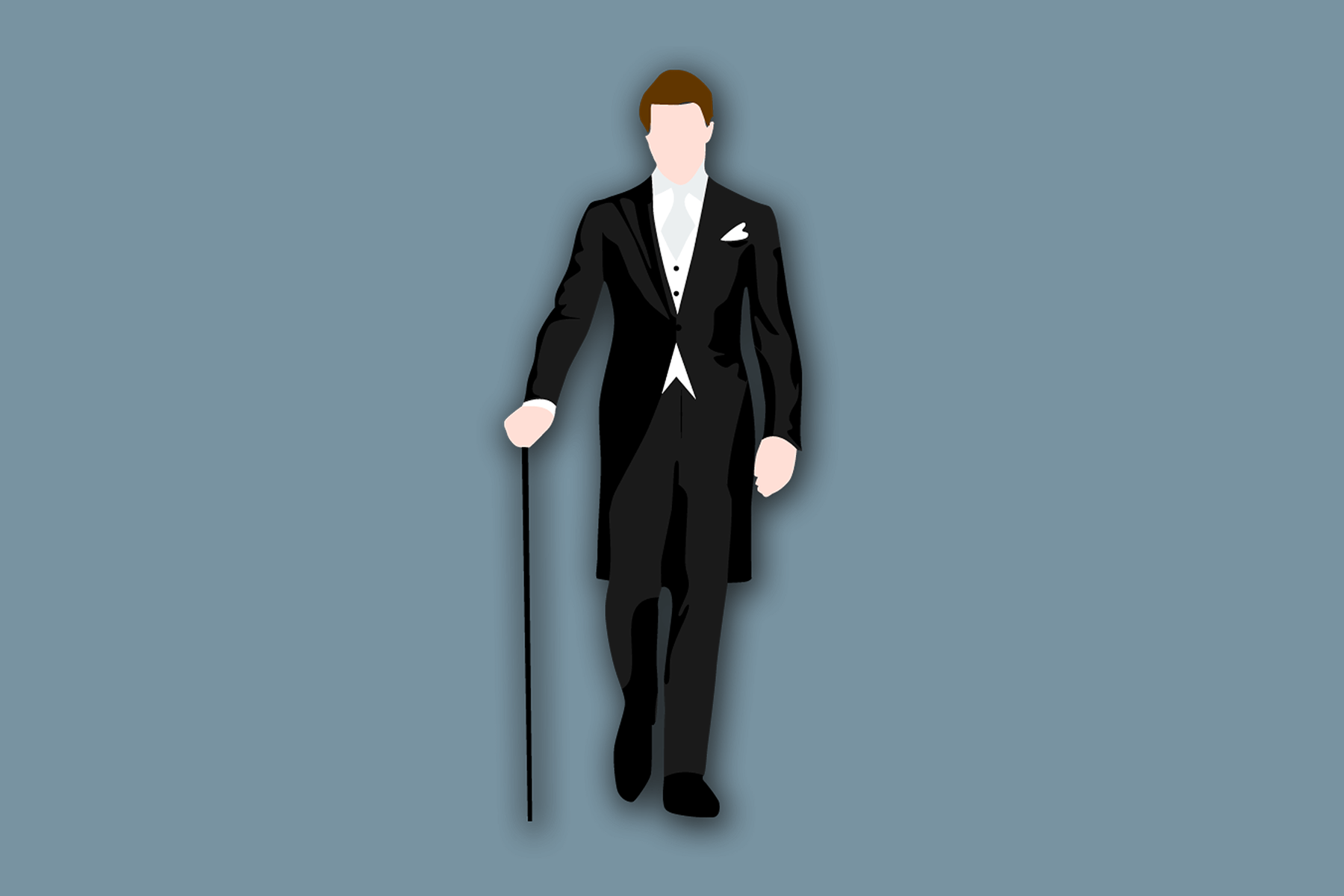
The following elements are required for an outfit to be considered “white tie”:
- a white, self-tied bow tie
- a white shirt with a stand-up collar
- a white vest
- a black tailcoat
- black trousers with two braided stripes
- Suspenders
Without exception, everyone attending such events is dressed impeccably. A black bow tie distinguishes the waiters from the guests. The white bow tie is therefore essential and, as with the “Black Tie” dress code itself, must be tied skillfully. It’s not just the shirt collar that requires attention. In addition to the small wing collar, the shirt features a reinforced chest panel made of cotton piqué, a specially woven fabric. The shirt sleeves should be two finger-widths longer than the tailcoat sleeves, but should not extend past the wrist.


Tailcoat and vest
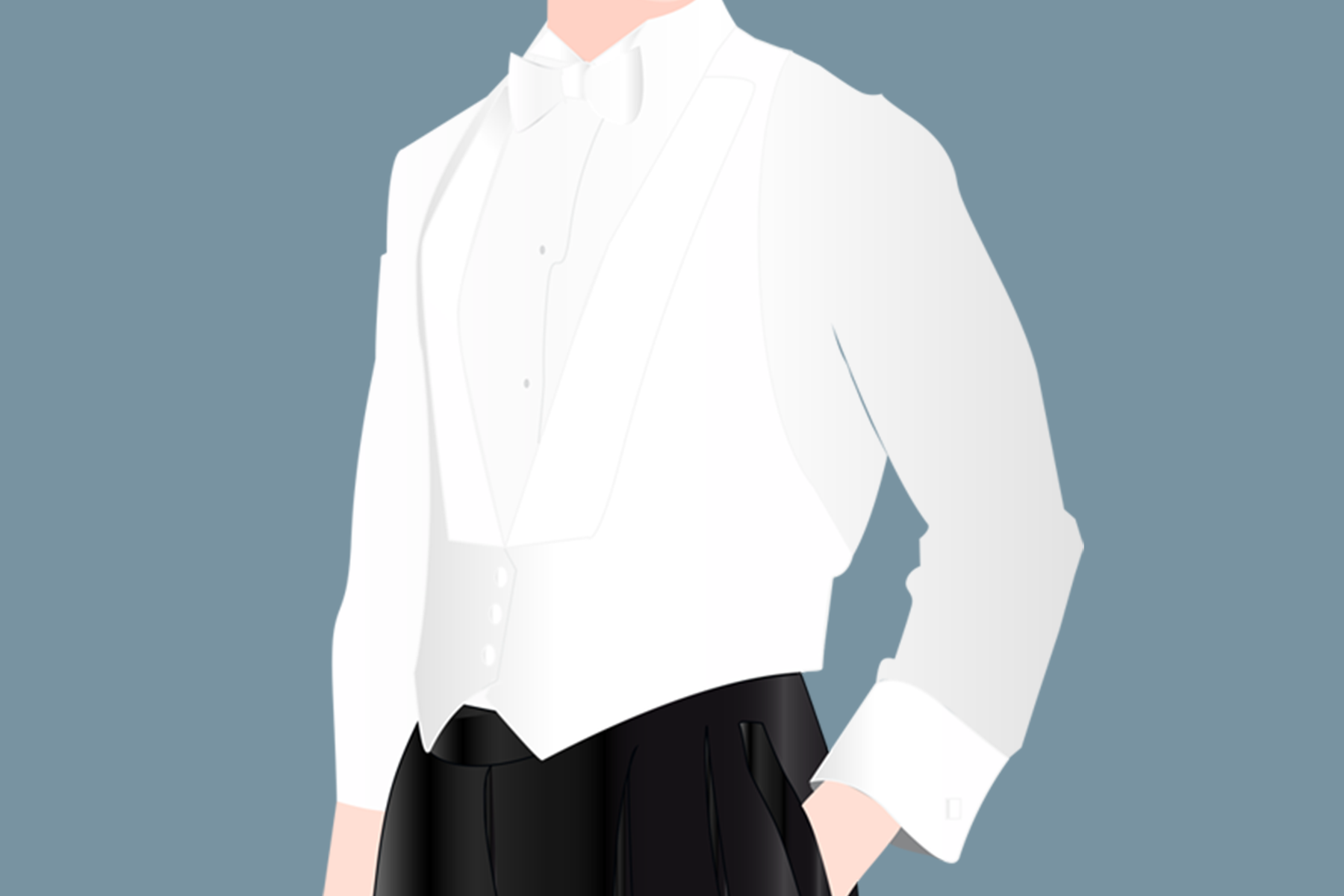
The tailcoat is characterized by the two swallowtails at the back and ends at the man's waist in the front. The lapels, as well as the fastening and cuff buttons, are trimmed with satin.
Instead of a cummerbund—which is acceptable only for musicians—the man always wears a white vest underneath. Thanks to its satin waistband, which ties at the back and is thus individually adjustable, this vest allows for more freedom of movement than one might assume at first glance. Like the tailcoat, the vest also features a lapel, vest pockets, and elegant buttons.
Suspenders and opera pumps
The pants are made of the same material as the tailcoat; they are straight-legged, not too tight, and drape loosely around the legs without cuffs or pleats. There should be not one, but two braided stripes along the side seam. This dress code does not call for a belt, simply because the pants should fit well on their own. Instead, suspenders are part of the “White Tie” look.
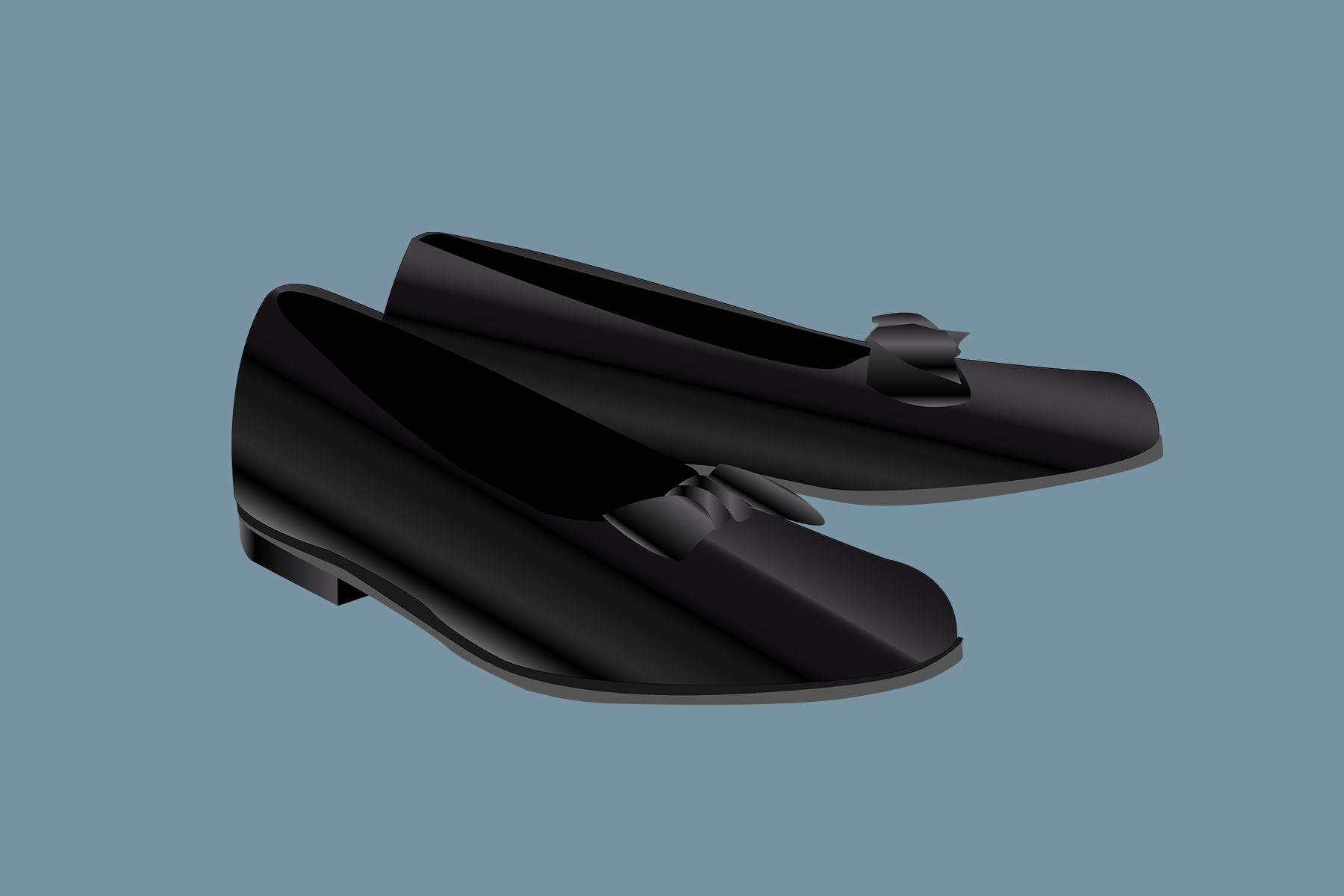
The proper shoes for this dress code are a bit too feminine for most men, as they feature a heel that’s higher than most would find comfortable. While “opera pumps” might sound like a term a woman would use, they are actually intended for men. Although they no longer appeal to a mass audience, there is no clear successor.
If you don’t want to opt for opera pumps, you should definitely choose slim, elegant patent leather shoes, such as Oxford lace-ups.
Accessories
As much skin as possible should be covered, which is why black knee-high socks are a must. White glacé gloves are worn as an accessory.
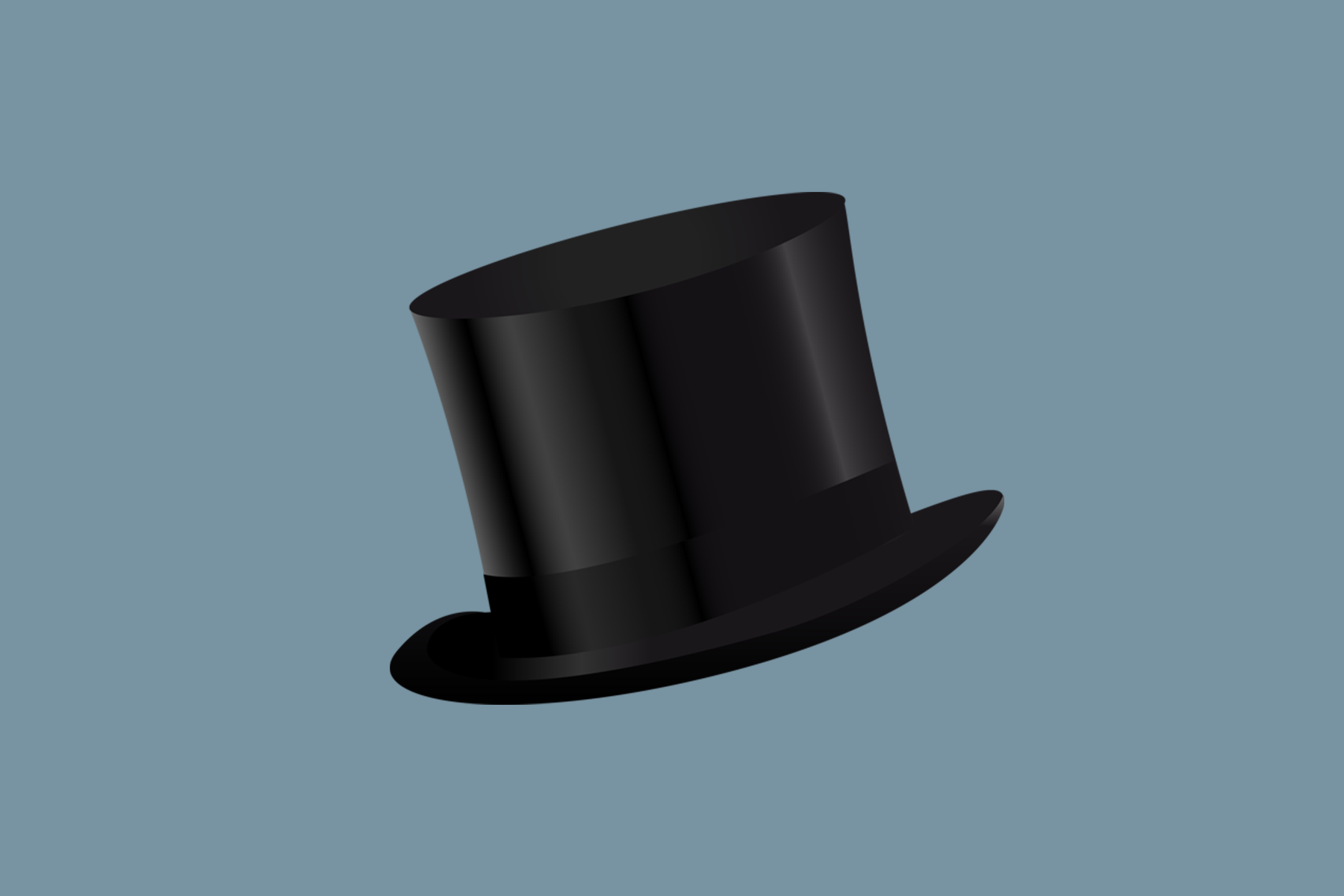
If headwear is desired, it must be a black top hat. Like the coat or a silk scarf, it is worn exclusively outdoors. A folding top hat (also known as a “chapeau claque”) is a suitable alternative that can be stored easily and compactly during the event.
A wristwatch does not go with a conventional tailcoat, which is why a gold pocket watch is a recommended alternative. Gentlemen may wear some jewelry in the form of cufflinks and a lapel pin or boutonnière (a flower in the buttonhole) on the lapel.
Those who wish to complete the elegant look will perfectly fulfill the “white tie” dress code with a tailcoat cane. It features a chrome-plated knob and is finished with piano lacquer.
Dress Code Guide
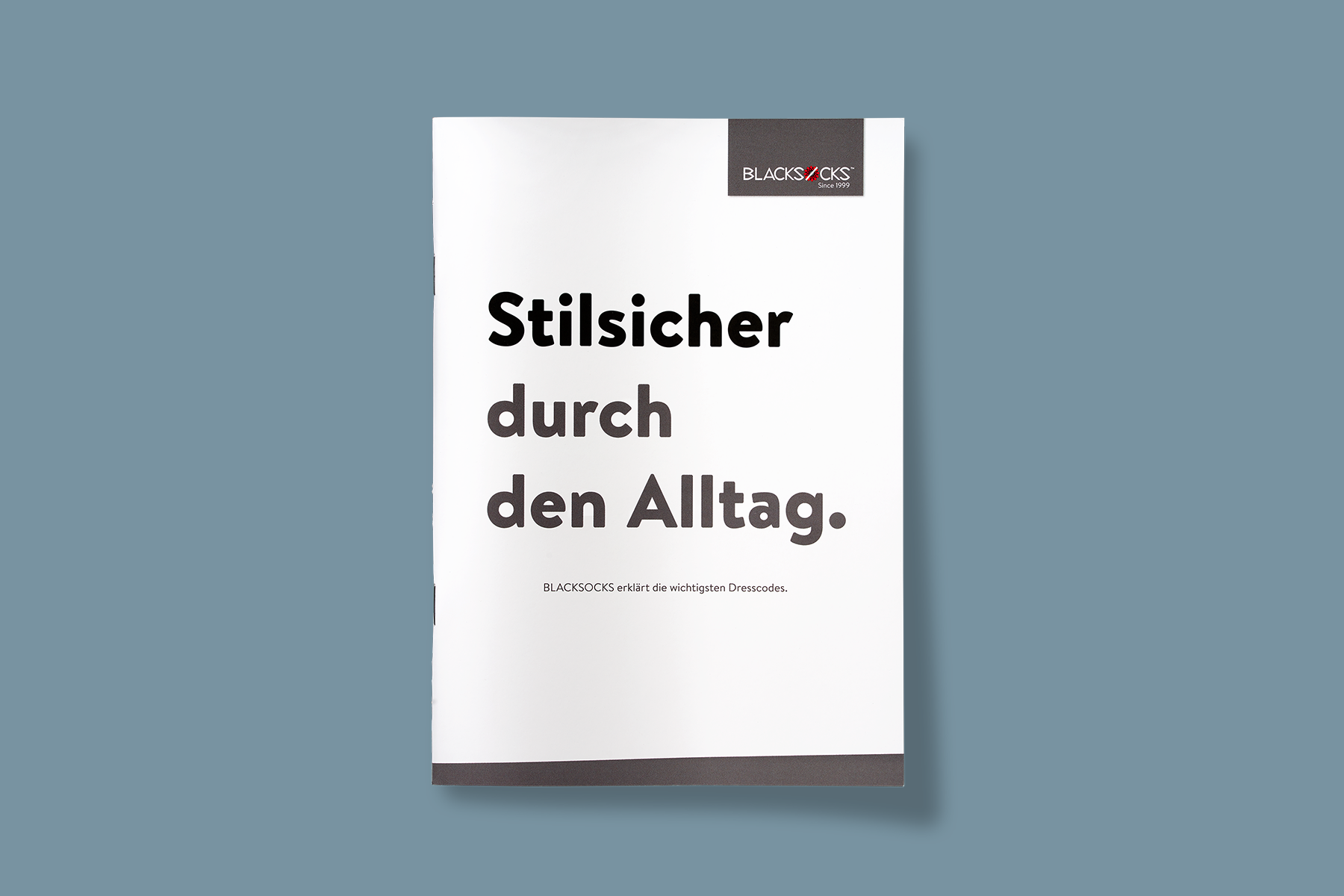
The Dress Code Guide helps you navigate everyday life with style. With a wealth of knowledge about casual, smart casual, business casual, business attire, black tie, and white tie dress codes, you’ll be prepared for any situation.
- An Overview of All Dress Codes
- Tips & Tricks for Every Style
- A handy format for when you’re on the go
Ladies' Choice
For women, a floor-length, elegant evening gown or a ball gown is the right choice if the event includes dancing. There are no restrictions on color, as long as the dress isn’t garish, has no wild patterns, or is white—since white is reserved for debutantes. The arms are usually covered by long gloves, or—exclusively when outdoors—the arms and shoulders are covered by an evening cape or a stole. At the same time, the dress should not be too tight or reveal too much. A pair of delicate sandals, a clutch, and understated jewelry complete the woman’s ensemble.
T-shirts with great necklines
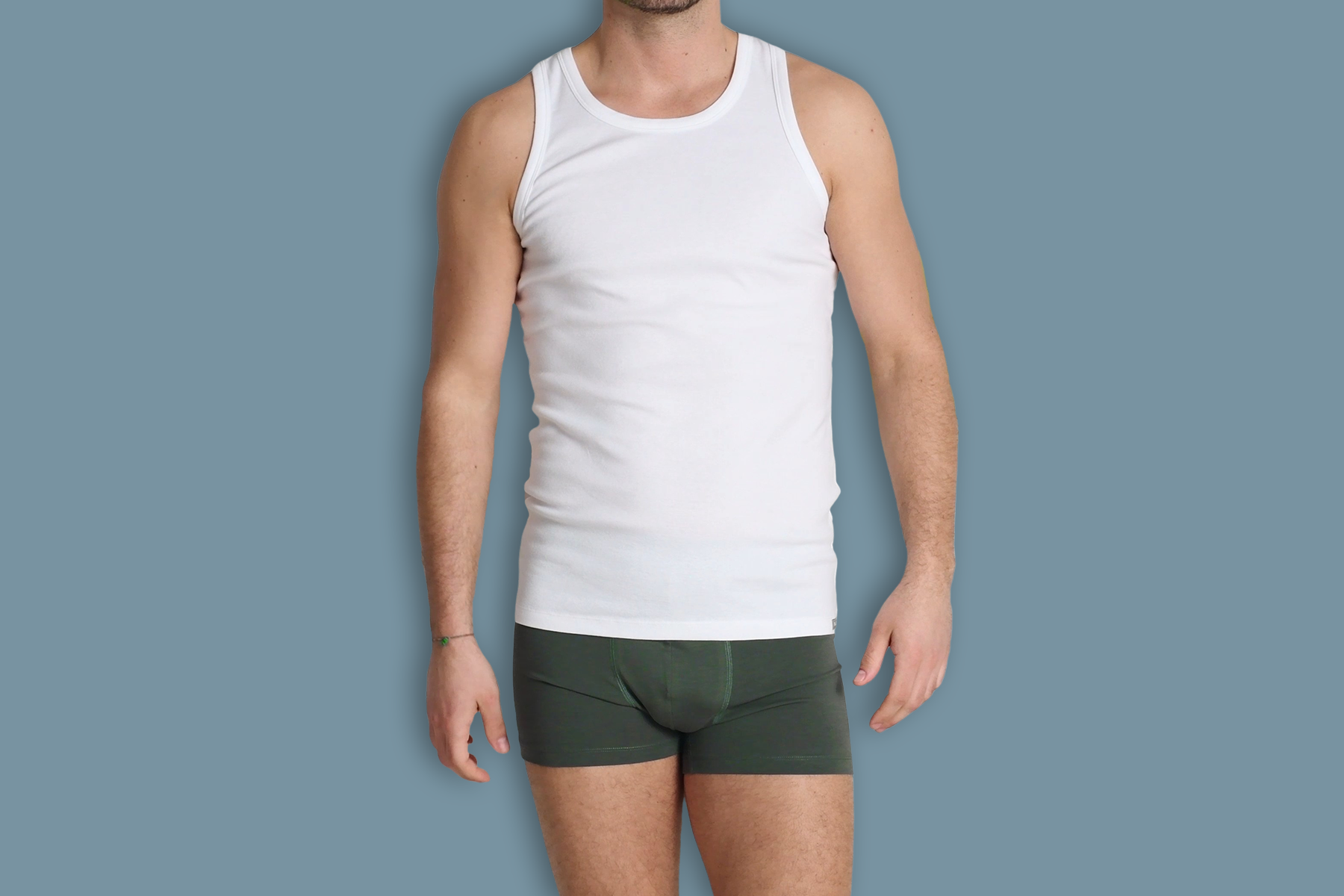
Whether it's a V-neck, crew neck, or sleeveless—you're sure to find your favorite in BLACKSOCKS's T-shirt collection. Try our T-shirts now.
We use only high-quality Peruvian Pima cotton for our undershirts. We offer these in two styles: fine rib for a lightweight feel or stretch for superior elasticity. Which would you prefer? Available in convenient 2-packs or 8-packs.
Casual
Business Casual
Smart Casual
Business Attire
Black Tie