Smart Casual
From shirts to socks
"Smart Casual" Dress Code
A traditional suit with a tie and heavy fabrics can seem too formal and be uncomfortable in some situations, while regular casual wear, on the other hand, is inappropriate.
If neither the “Casual” nor “Business Casual” dress codes are appropriate, or if you don’t want to appear over- or underdressed, “Smart Casual” is the best choice. In many industries, “smart casual” is worn as office attire; for meetings, for drinks and dinner after work, or on business trips.
"Smart Casual" for Men
Some define this dress code as casual and relaxed, yet still elegant—with high-quality fabrics appropriate for the occasion. Others, however, see it less as a matter of the clothes one owns and more as a matter of good taste and an understanding of fashion.
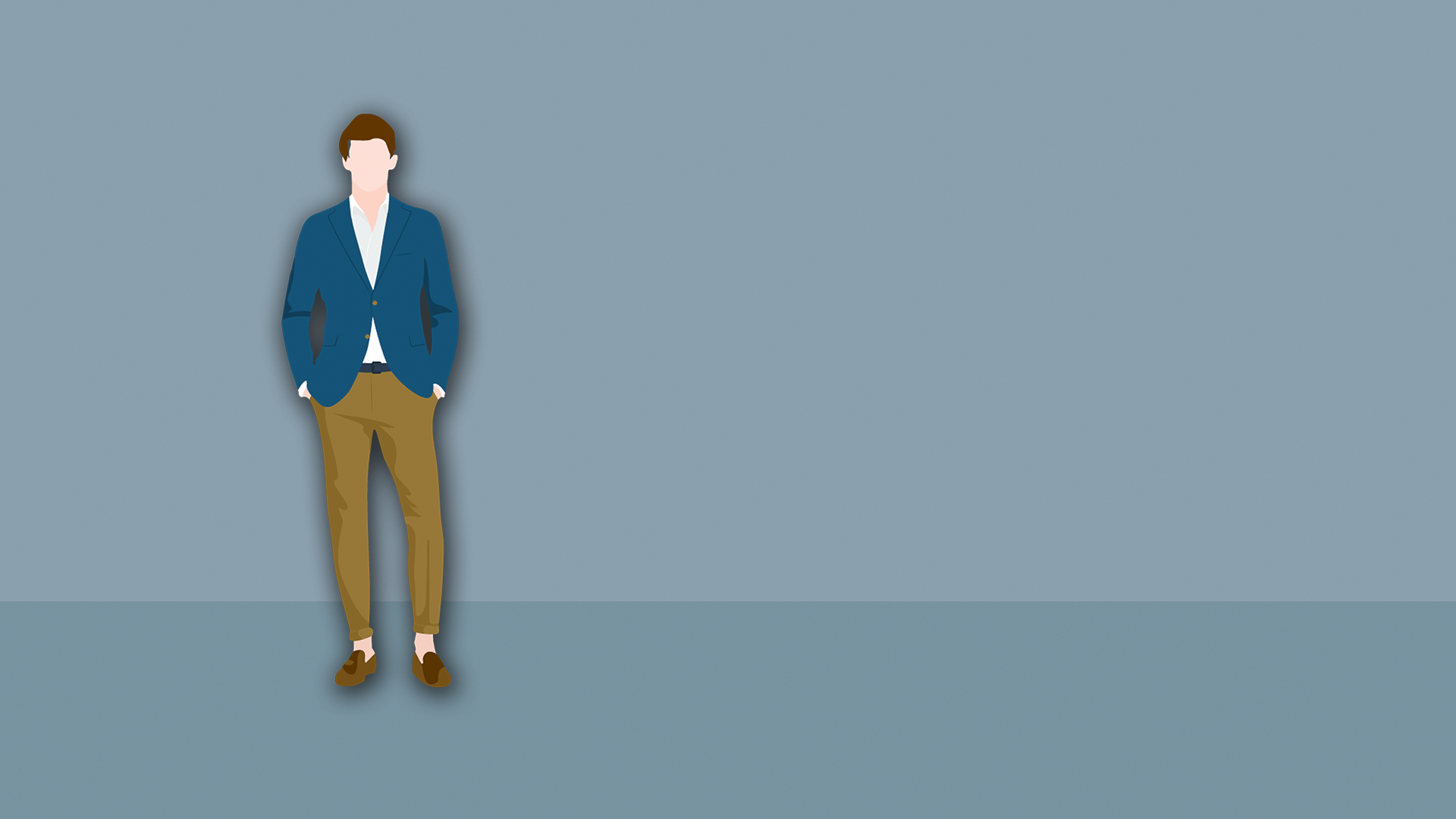
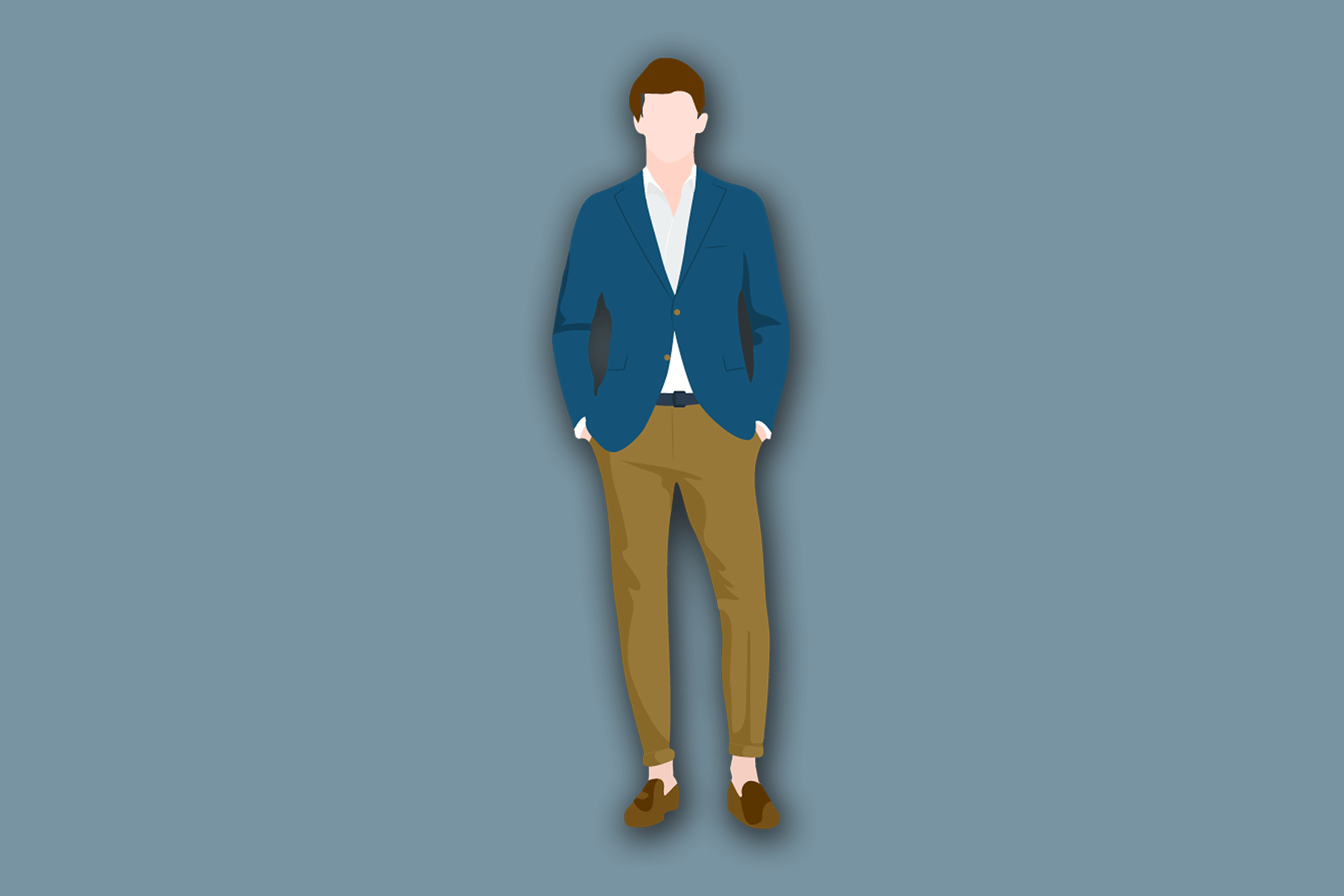
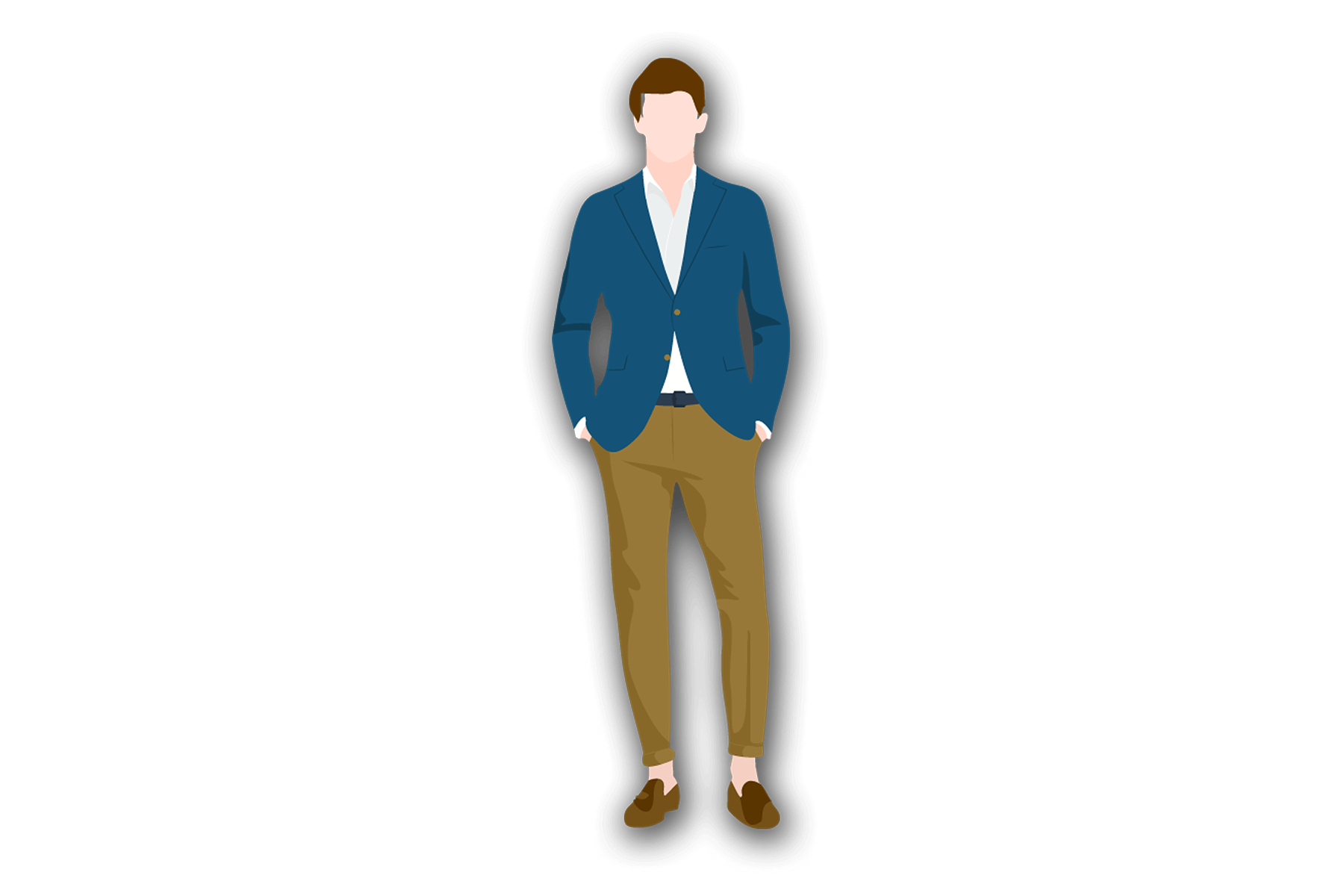
Sporty elegance allows for a great deal of interpretation and flexibility, which is why it can sometimes be difficult to strike the right balance with this dress code. A suit without a tie and with an open shirt collar can be considered just as “smart casual” as pants paired with a jacket or blazer.
You don’t have to forgo a suit to achieve this look. The appearance becomes more casual if, instead of a tie, you wear a pocket square in a color that contrasts with the suit and leave the shirt unbuttoned at the collar.
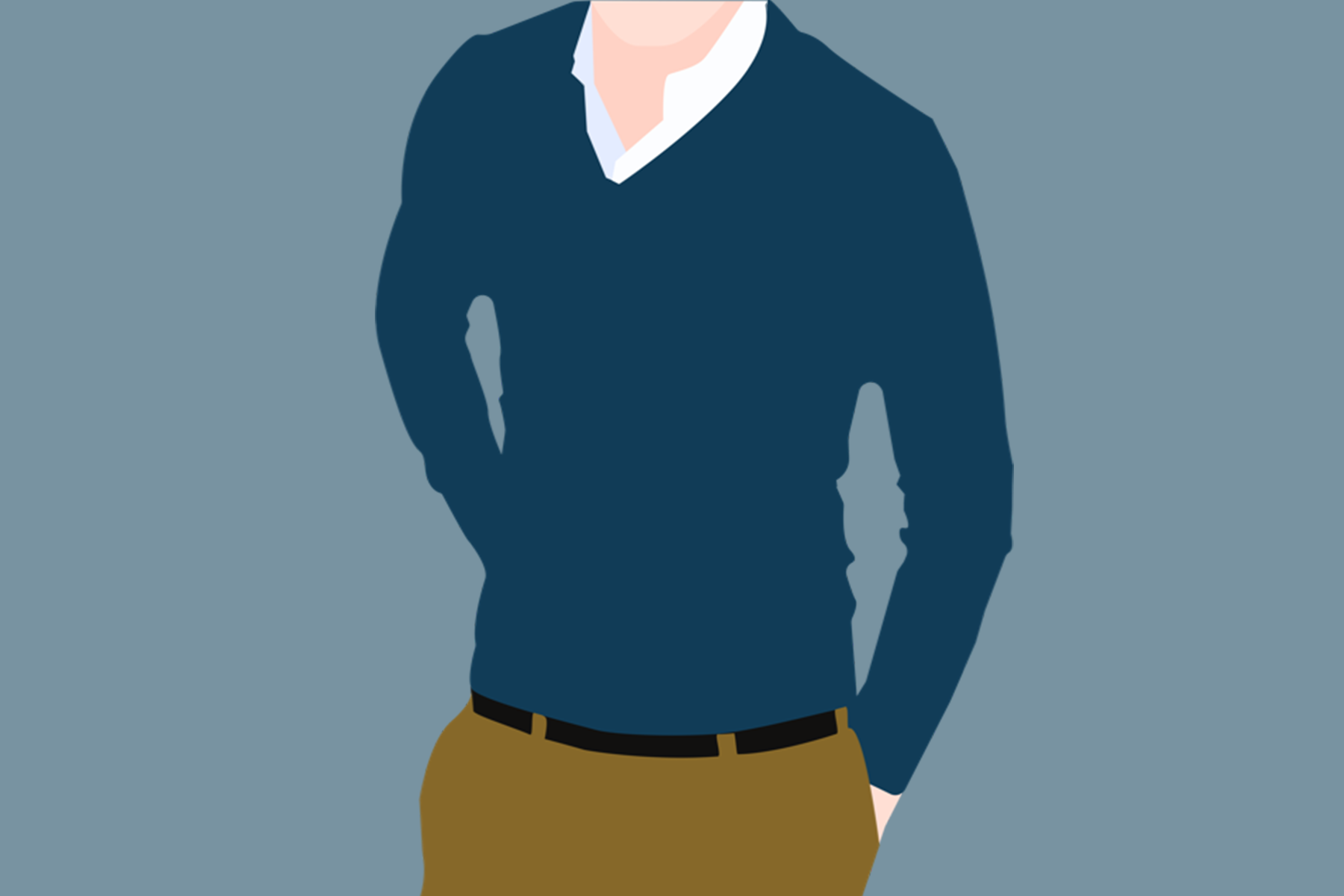
Shirts, T-shirts, and Blazers
Long-sleeved shirts paired with a basic suit jacket, jacket, or blazer are ideal. There are only a limited number of alternatives for outerwear.
Opinions differ when it comes to shirts or polo shirts. On particularly hot summer days, however, it can get a bit warm in a suit jacket and long-sleeved shirt, so it’s best to decide for yourself what might be appropriate based on the occasion.
In colder months, simple turtleneck sweaters made of fine materials can be worn. Depending on your preference, crew-neck or V-neck sweaters worn over a shirt are an alternative.
Jeans or dress pants?
Woven pants, corduroys, or chinos in subtle colors are all good options. Don’t forget a discreet belt, even if the pants fit like a glove. It’s best to leave jeans in the closet, unless they’re a rich dark blue or black.
In addition, to maintain a professional appearance, it’s important that they aren’t too baggy, wrinkled, or have overly distinctive washes. So typical denim jeans are out of the running for this dress code.


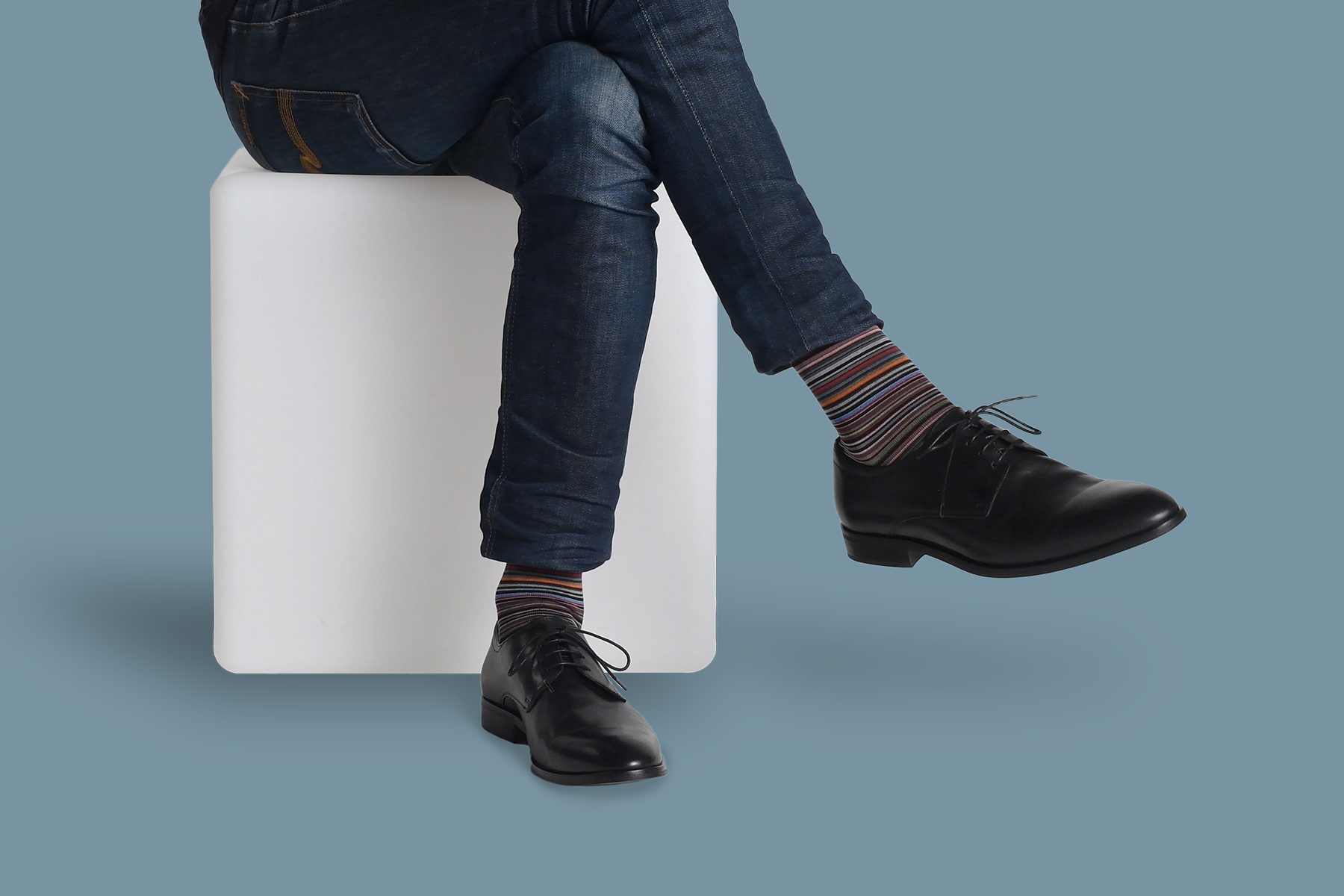
What kinds of socks and shoes are allowed?
Socks should not be underestimated; even if they seem unremarkable, the wrong choice can instantly ruin a carefully put-together outfit. They should serve as a link between your shoes and pants. Accordingly, choose a color that harmoniously complements the entire outfit.
The best choice for shoes are closed-toe styles, such as loafers, dressy sneakers, or moccasins, though you can never go wrong with lace-up shoes either. Sneakers or leather boots are not appropriate under this dress code.

Color Selection
Since the “smart casual” dress code is fairly understated, you should avoid bold patterns or bright colors and instead opt for shades of brown, blue, or gray.
If you want to add a pop of color, you can choose a subtly patterned shirt or colored socks. Colored socks have made a comeback in recent years and are no longer taboo if you prefer a slightly more eye-catching look. However, you shouldn’t overdo it with colorful accents; instead, always coordinate them harmoniously with your entire outfit.
Furthermore, comfort plays an important role, and it’s wise to consider whether such a choice is appropriate for the occasion. If you’re unsure whether your choice is elegant or “smart” enough, it’s better to opt for a style that allows you to present yourself with confidence and self-assurance.
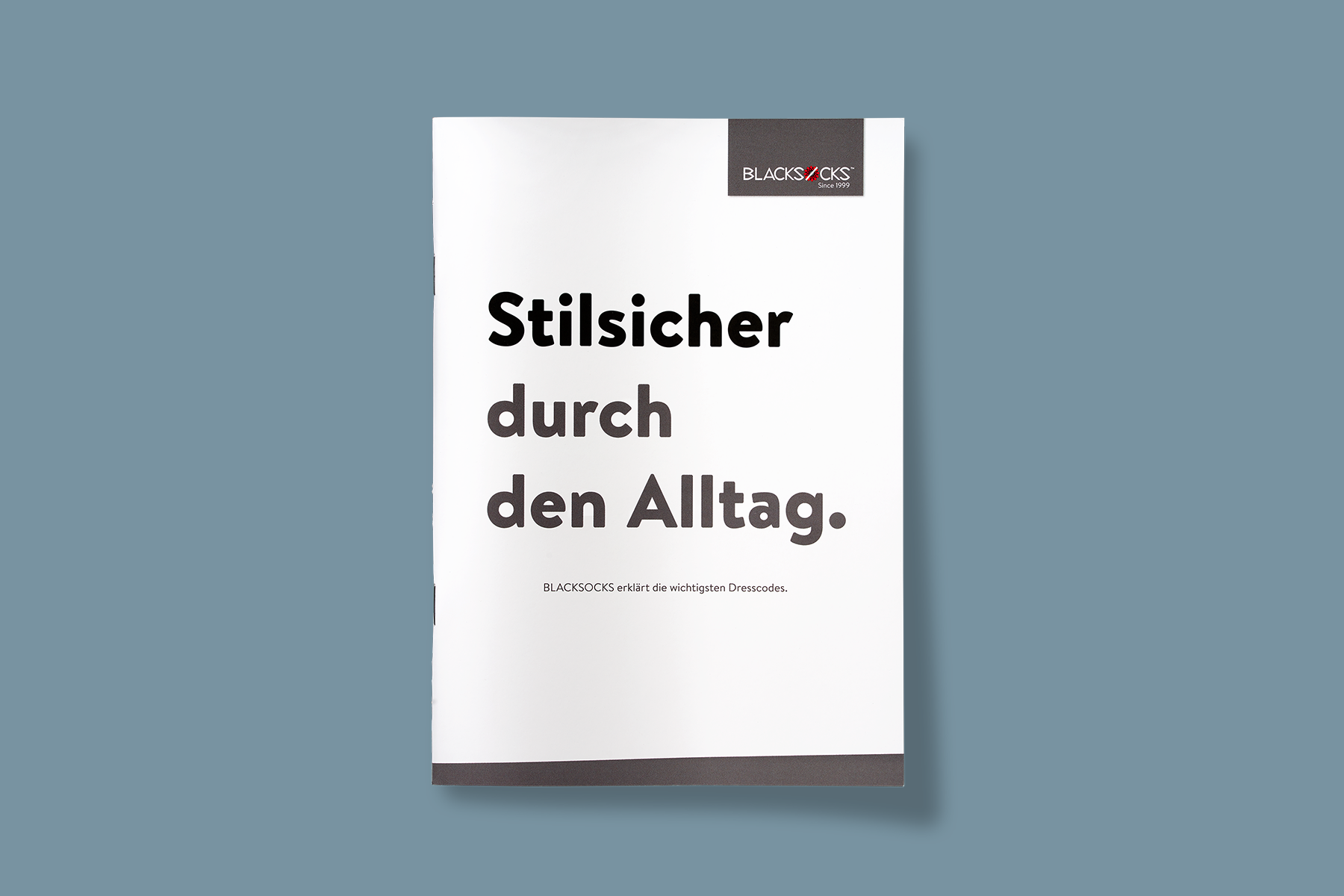
Dress Code Guide
The Dress Code Guide helps you navigate everyday life with style. With a wealth of knowledge about casual, smart casual, business casual, business attire, black tie, and white tie dress codes, you’ll be prepared for any situation.
- An Overview of All Dress Codes
- Tips & Tricks for Every Style
- A handy format for when you’re on the go
"Smart Casual" for Women
For women, this dress code is less strict—since they have many more outfit options—but it’s no less complicated. You can’t go wrong with a pantsuit or a skirt suit, but skirts can also be paired with sweaters or blouses, depending on your preference. Closed-toe shoes that aren’t too high, such as ballerinas or pumps, are always a good choice. When it comes to colors, the same rules apply as for men: dark colors and subtle patterns strike the perfect balance between casual and elegant.
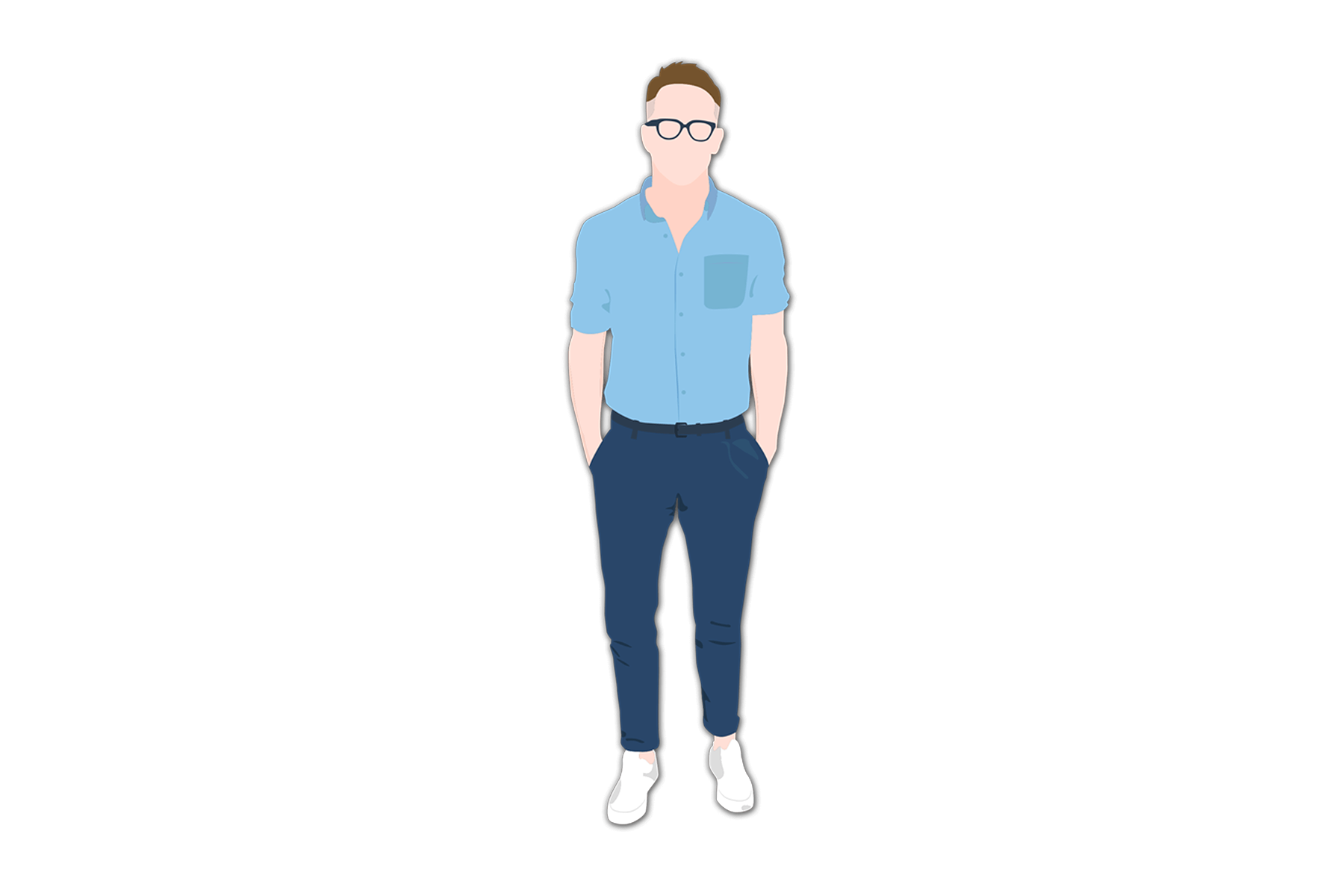
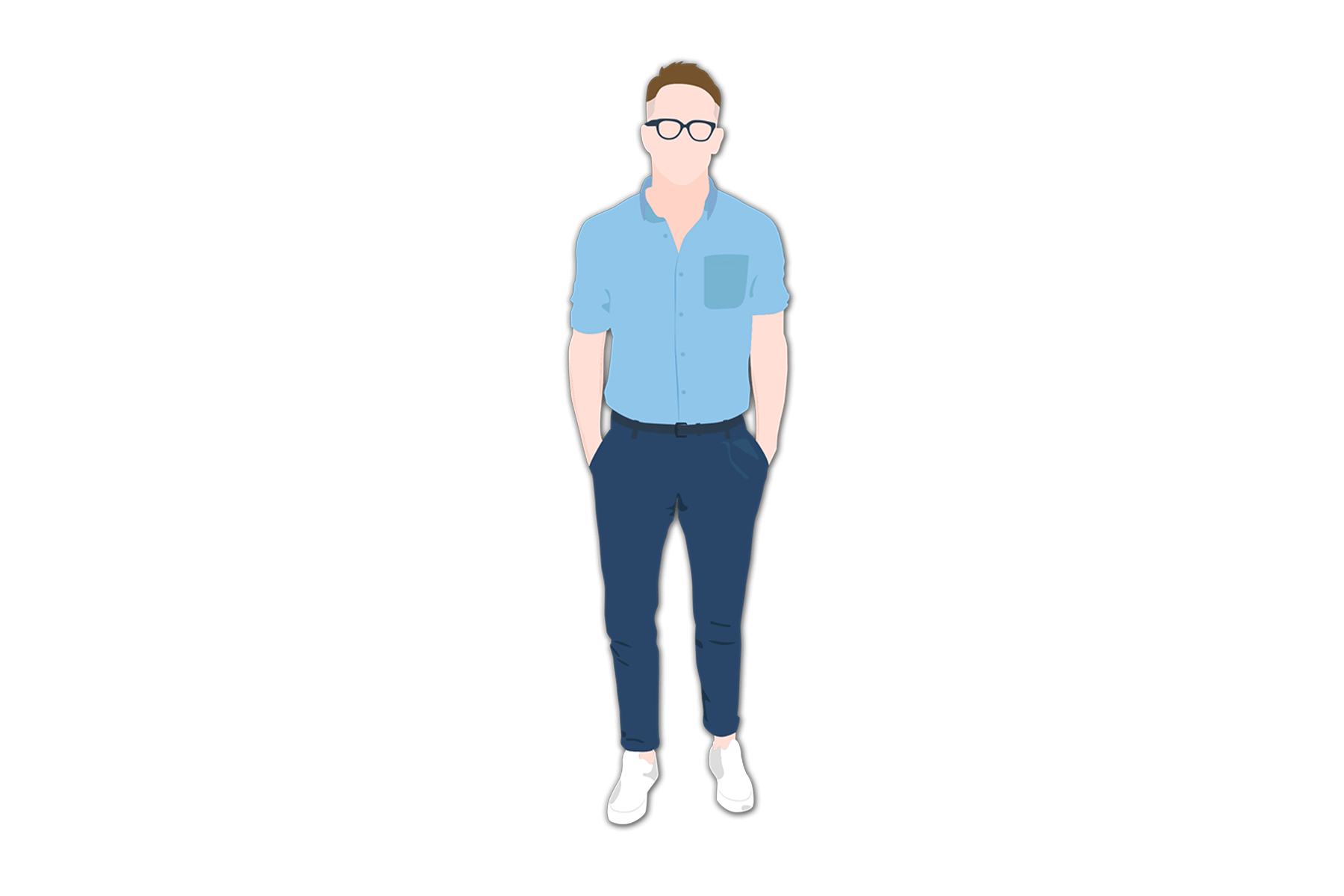
Casual
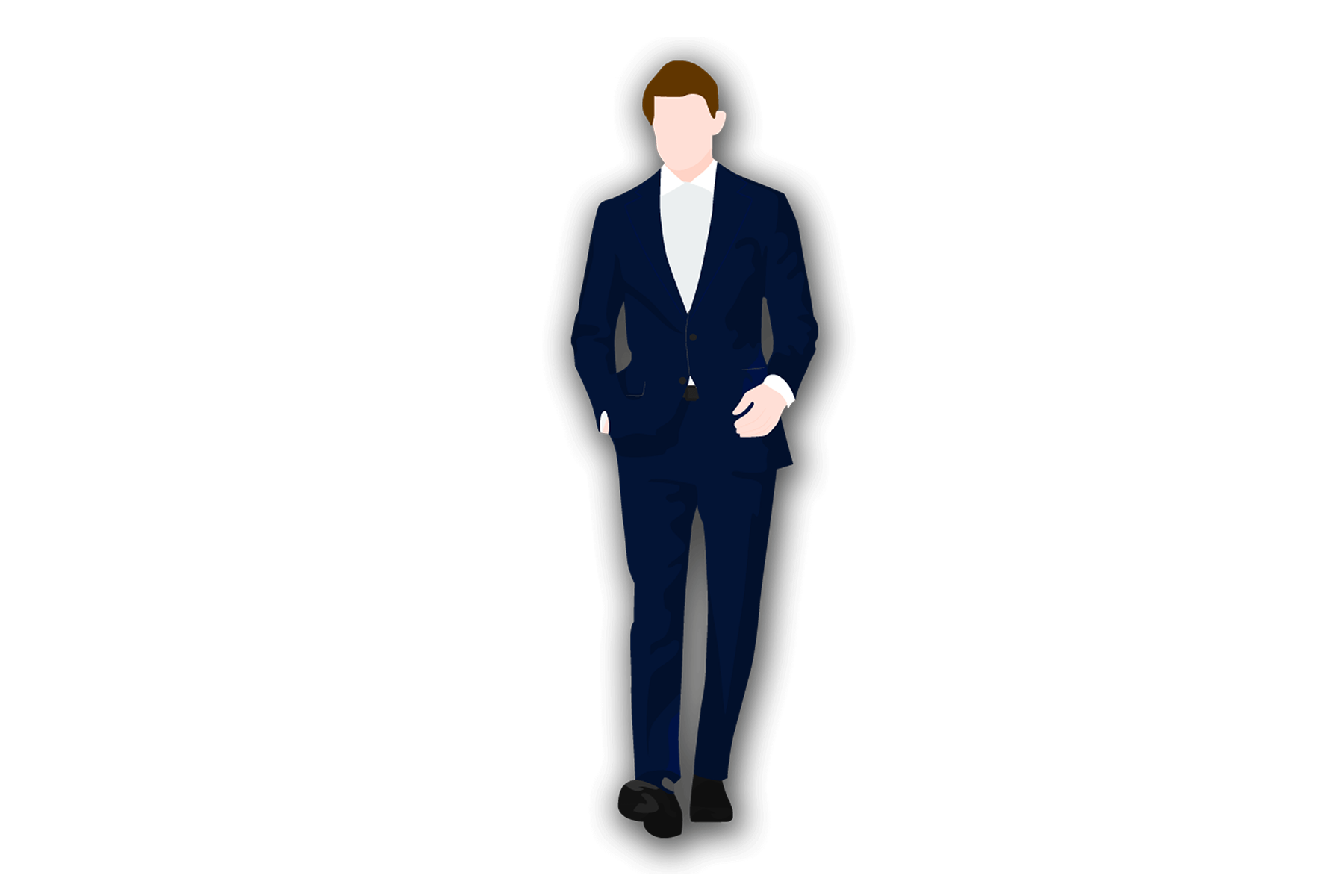
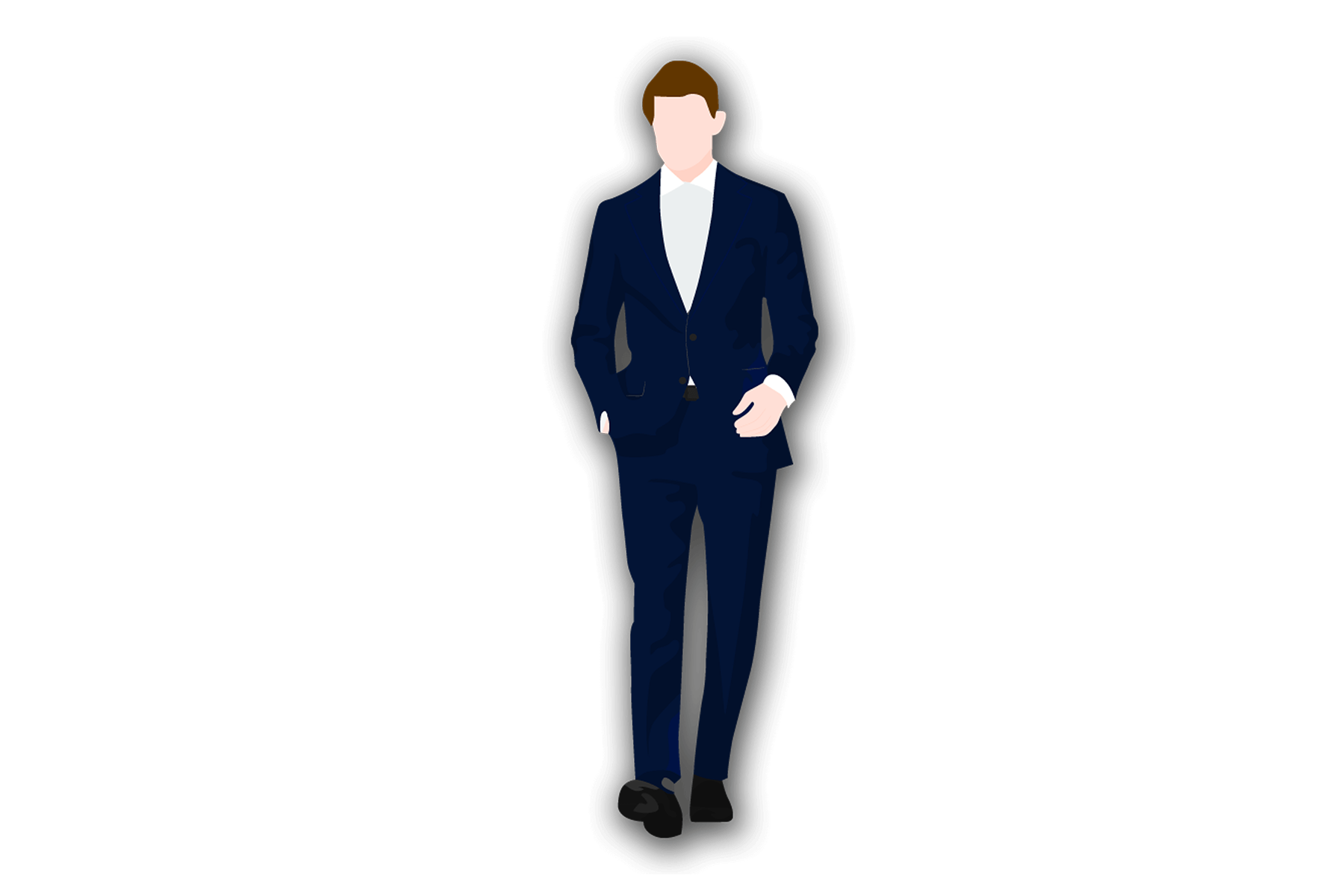
Business Casual
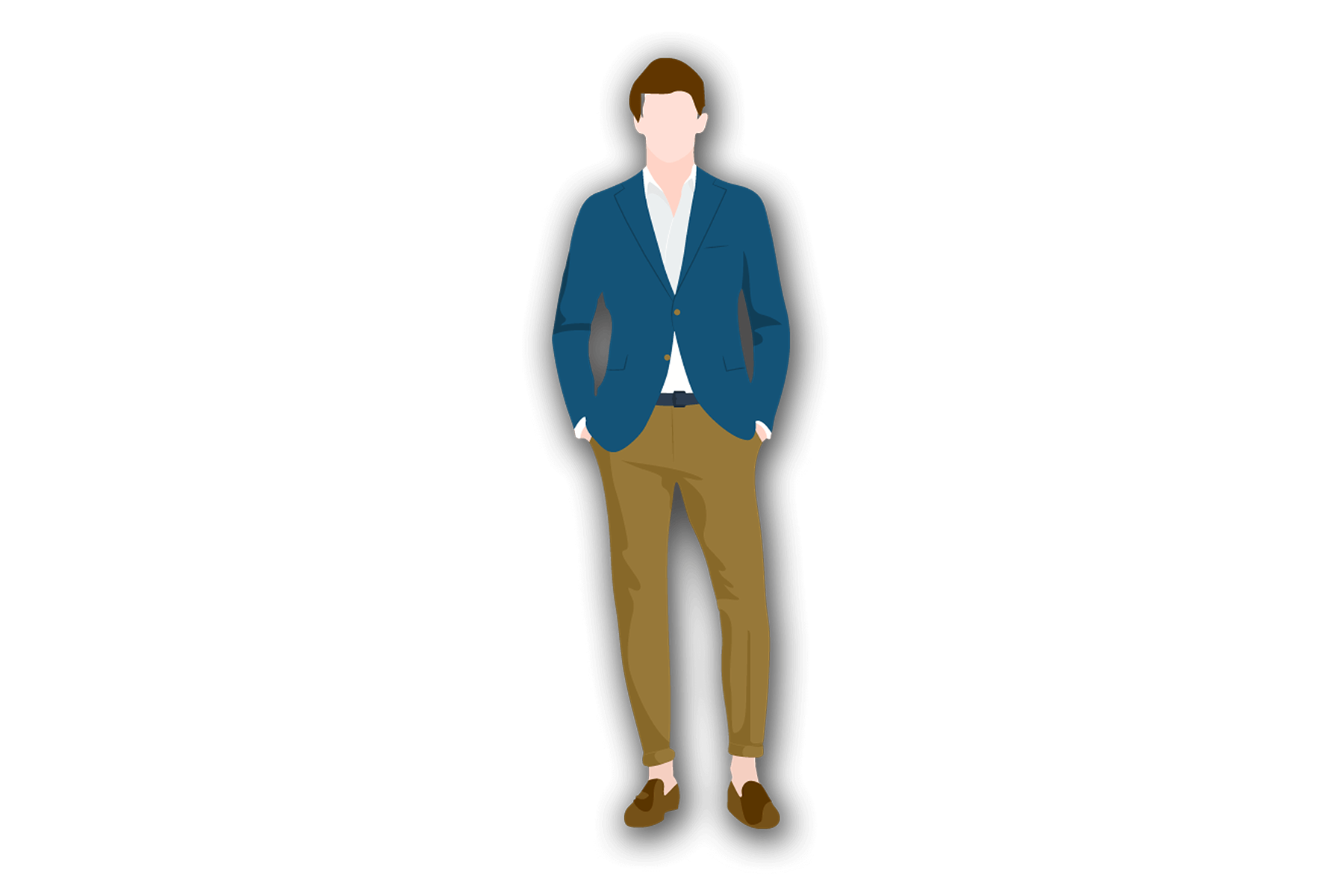
Smart Casual
Business Attire
Black Tie