A CASUAL STYLE FOR THE OFFICE
Business Casual
What Kind of Socks Go With the “Business Casual” Dress Code?
In the business world, first impressions—and all the ones that follow—play an important role. That’s why you should choose an outfit in the morning that adheres to the dress code of the company you’re visiting. But choosing the right socks is also crucial. In the following sections, you’ll find information and tips on the “business casual” dress code and which men’s socks are the perfect complement.
Where do you wear “business casual”?
“Business casual” is usually the everyday attire for the office, and it’s also acceptable when leaving the office to meet with clients. Depending on the industry, formal dress codes such as “business attire” may still apply. In work environments such as back-office departments or in manufacturing and retail companies, comfort has become increasingly important, and the “business casual” code has become established.
Famous high-tech entrepreneurs like Steve Jobs and Bill Gates have deliberately opted against formal business attire and reflect the views of the majority of the working population. More casual clothing isn’t just more comfortable—it also automatically creates a relaxed, collegial work atmosphere.
At the end of the week, “Casual Friday” brings a bit of a break, and, as the name suggests, attire can be more casual on Fridays. In companies with formal dress codes, this means that employees come to work in a “business casual” look.
If an invitation specifies the dress code as “Come as you are,” this should be taken literally—even if your outfit could be described as “business casual,” “smart casual,” or “business attire.” A slightly more presentable casual look, on the other hand, will stand out negatively from the crowd of business outfits. In this case, it’s worth rummaging through your closet for something a bit more stylish. Also pay attention to your choice of men’s socks.
Simple and stylish
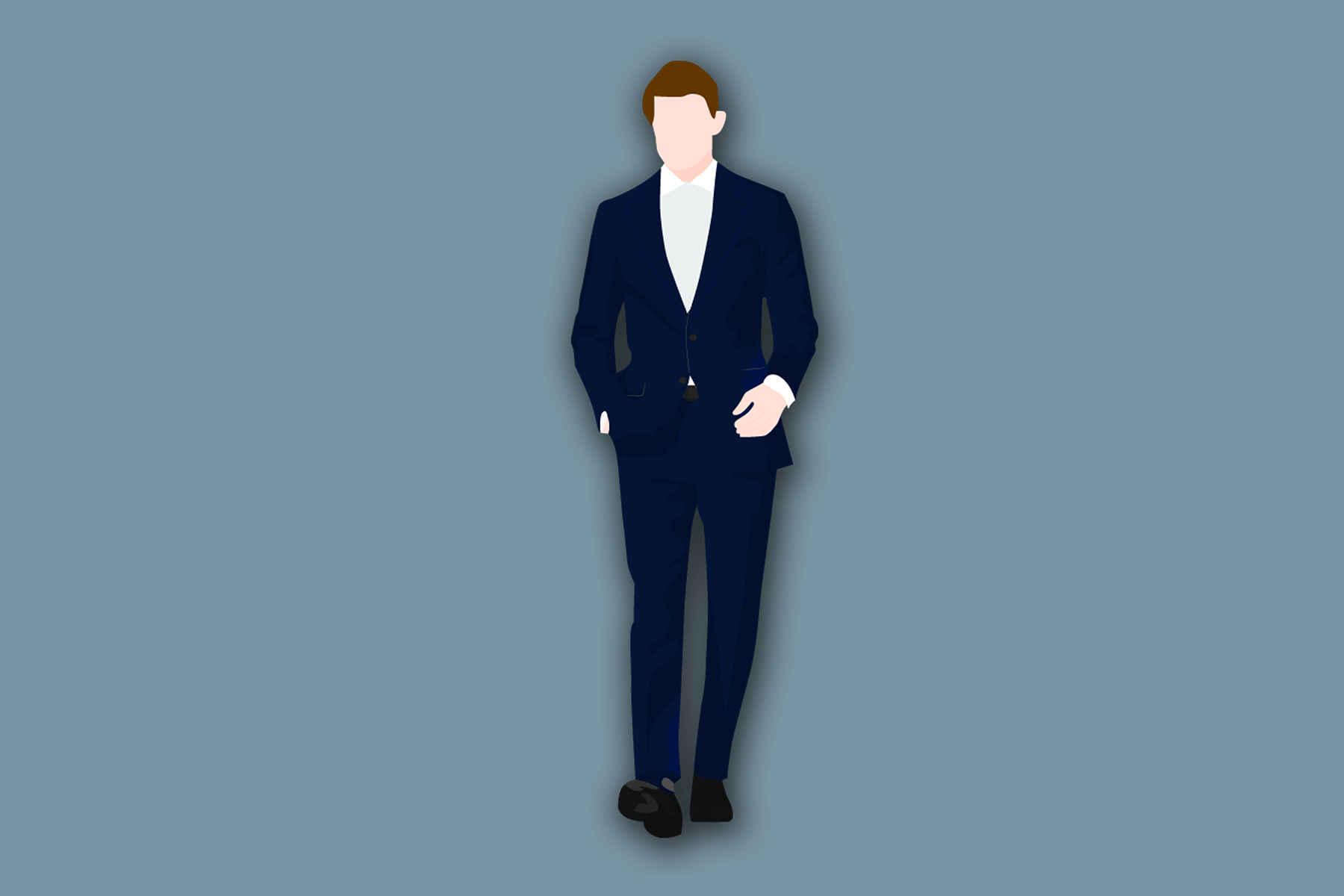
In the business world, a professional appearance is always a must. The term “casual” in this dress code means that the clothing offers more comfort and doesn’t have to be as formal as the traditional “business attire” code requires.
Just like the overall design, employees should also represent a company’s culture and brand. This is reflected, among other things, in their clothing, which is why business attire is sometimes playfully referred to as a “uniform” these days. This style is characterized by clean, classic cuts, put together neatly and thoughtfully. The goal is to show that you’ve put thought into your outfit—one that, by design, is understatedly elegant, professional, and yet relaxed.

Socks for Business Casual


"Business Casual" for Men
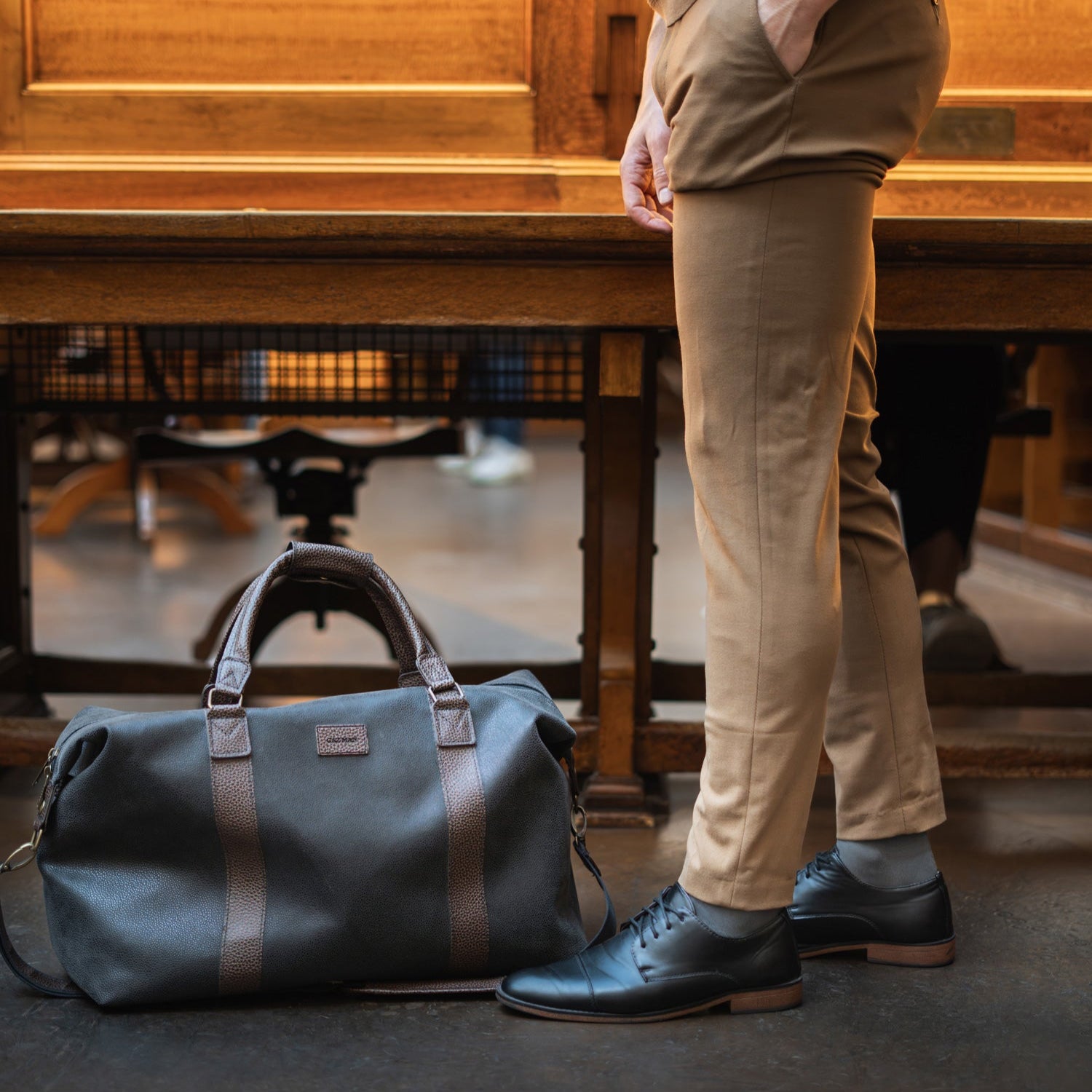
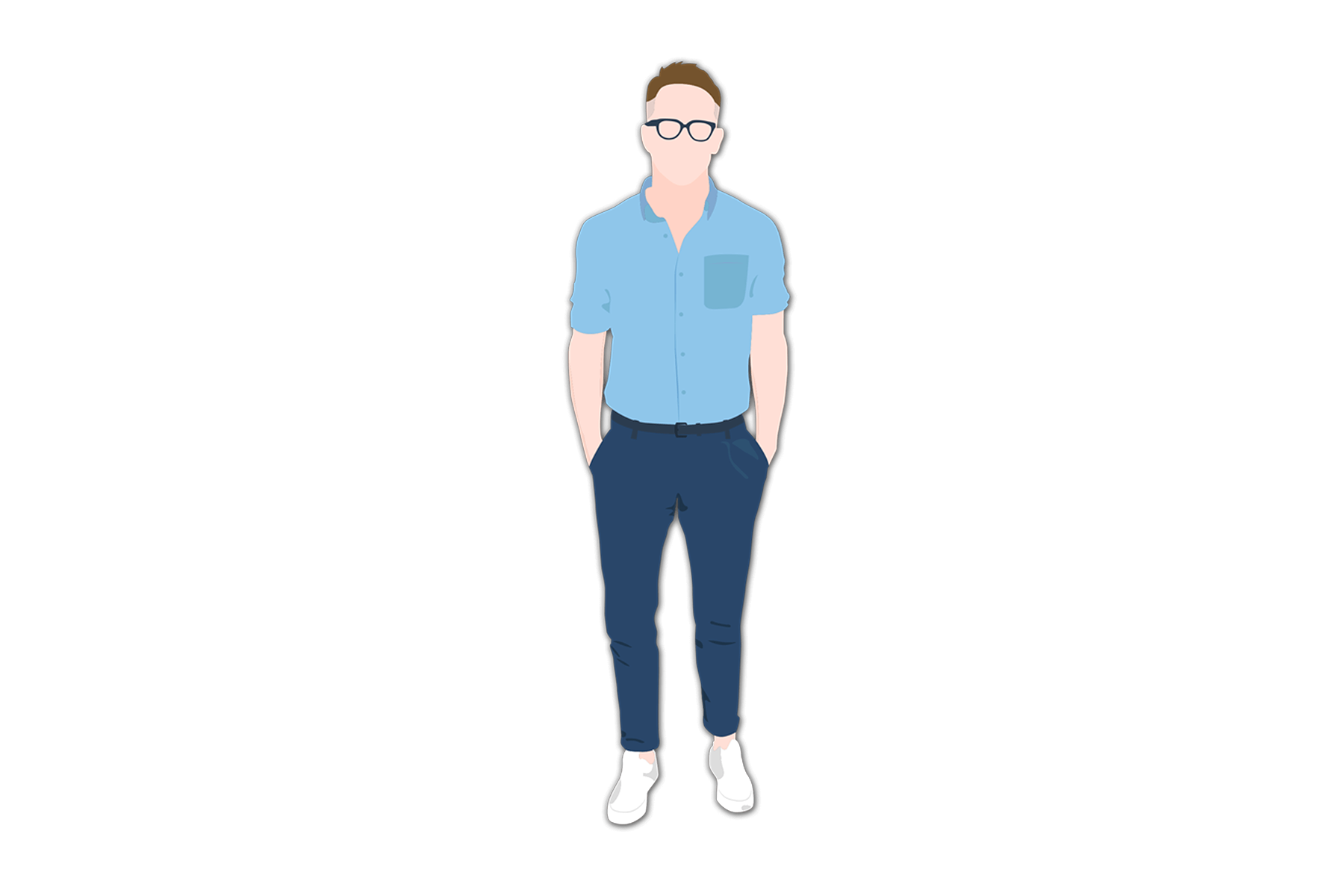
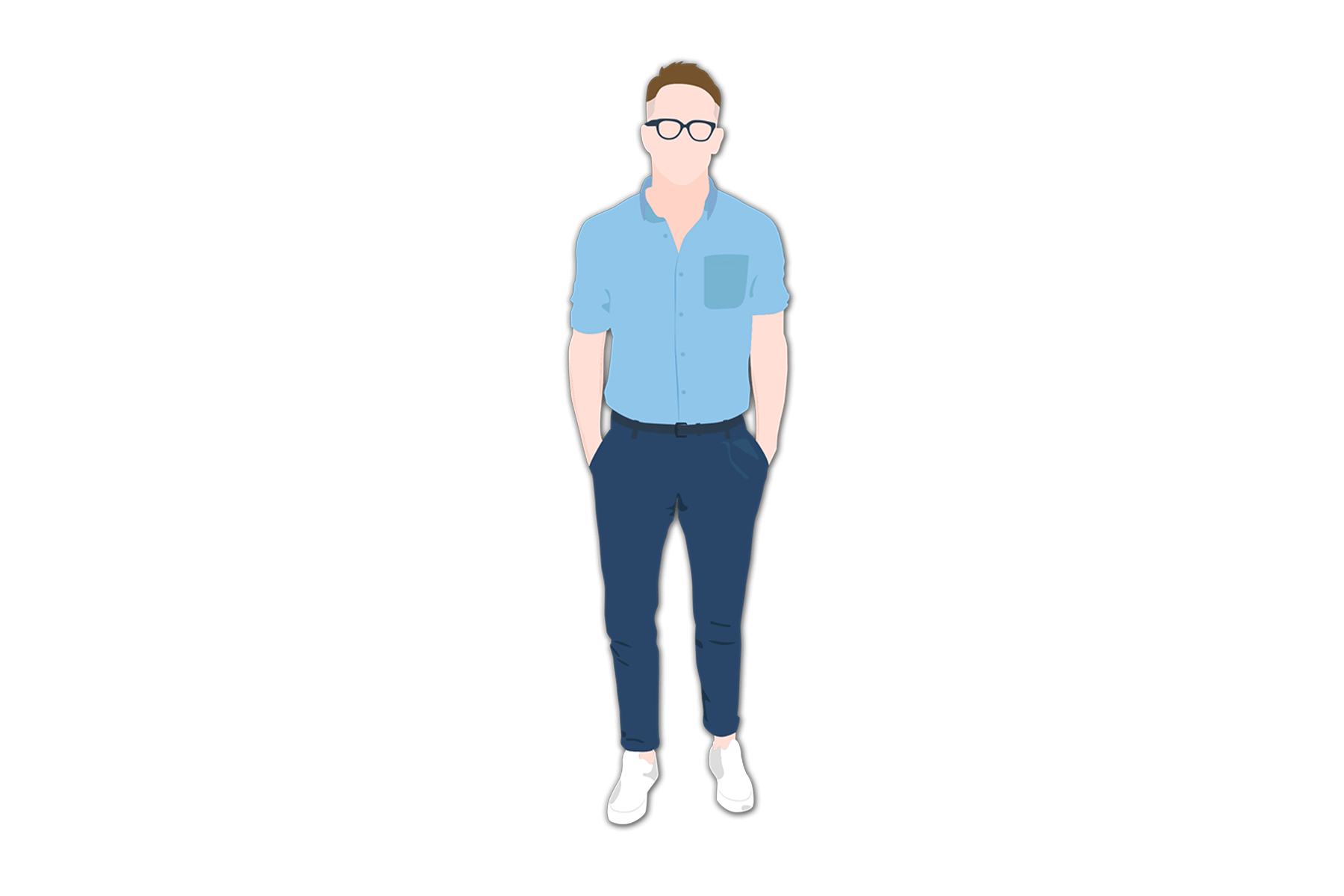
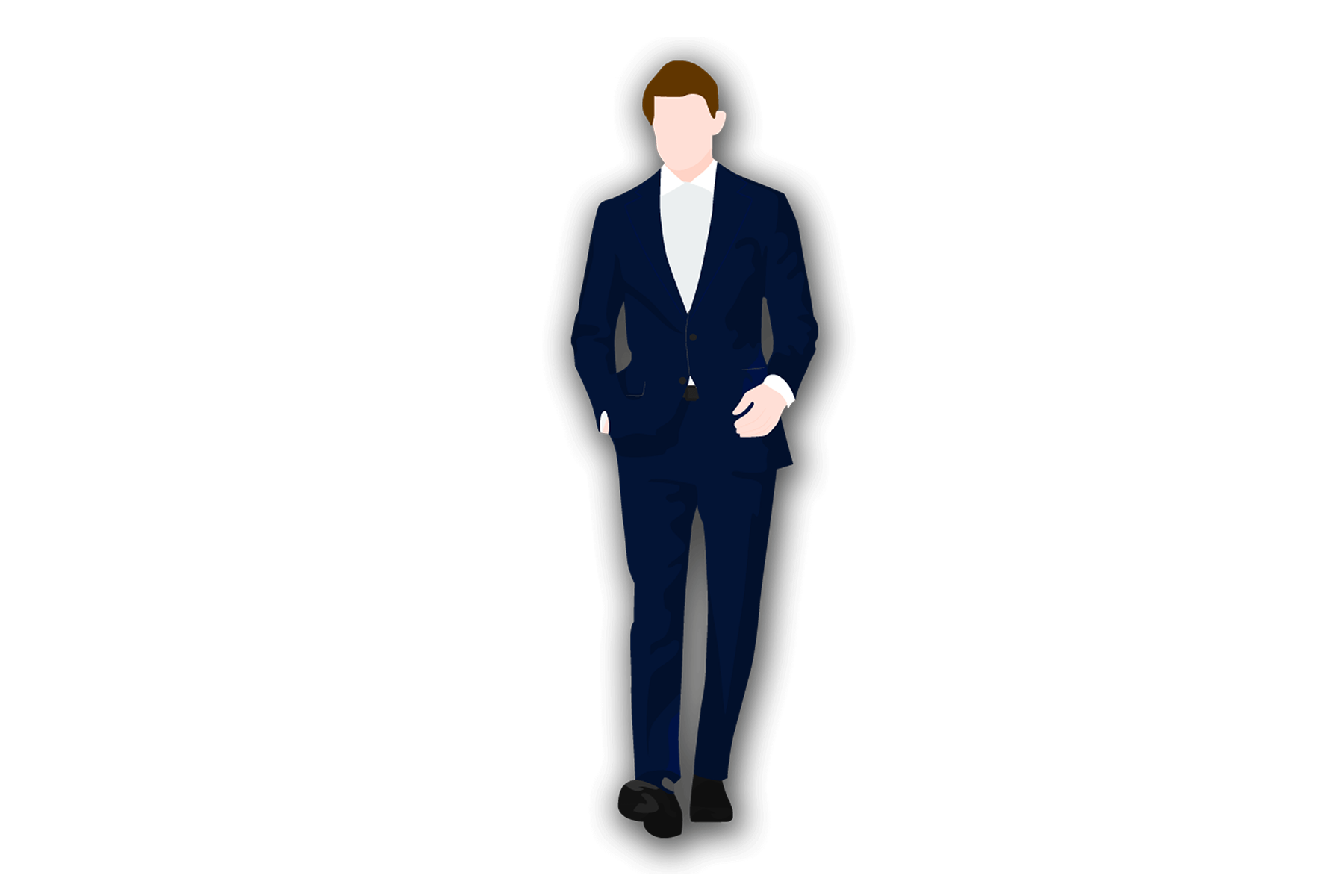
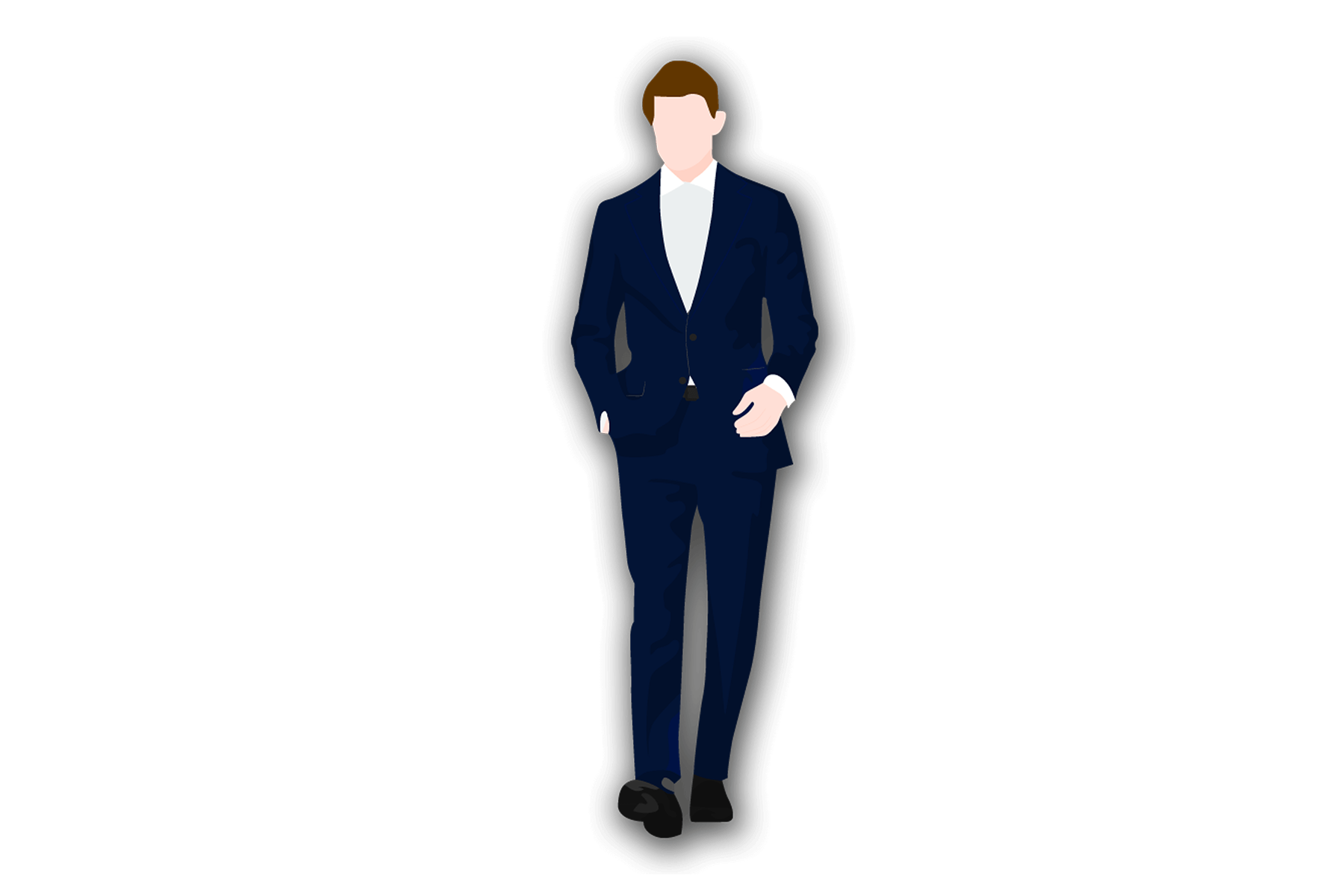
You can never go wrong with a suit without a tie. This is the simplest choice, but not necessarily the first one you should make if you don’t want to be seen as someone who always wears a suit. There’s more leeway here than with the “business attire” code, and with a little creativity in mixing and matching, you can avoid looking monotonous.
Shirts are practically a must for men, except for elegant sweaters in the winter. Jackets, blazers, and similar outerwear may—but don’t have to—be left at home.
The “business casual” dress code includes many types of pants to choose from. Suit pants or other dress pants, as well as Dockers, slacks, chinos, or cargo pants, are acceptable. Dark jeans are becoming increasingly common, but they generally do not belong in this dress code.
On your feet, wear dark men’s socks that coordinate with the rest of your outfit. Ideally, the color of the pants and shoes should match. Shoes can be classic Oxfords, elegant loafers, or nearly new, understated athletic shoes—with the exception of tennis shoes.
Pay attention to the details
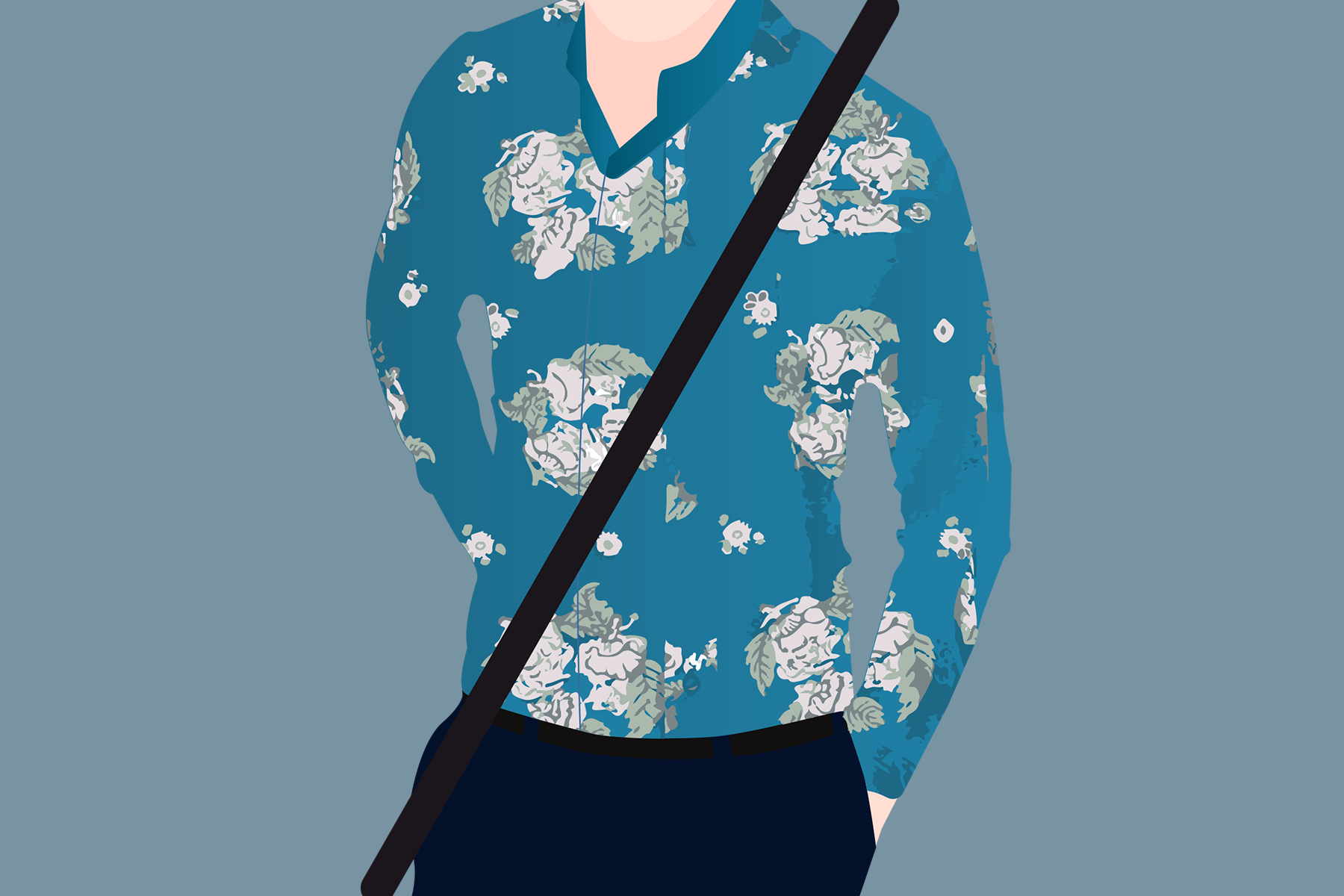
High-quality clothing—just like education—is an investment in the future. A stylish appearance is achieved with carefully selected fabrics and lasts longer than with inexpensive ones. It makes sense to pay attention to details when looking in the mirror: The fabric should be ironed and smooth, with no loose seams, and garments with prints are best reserved for a “casual” look.
Company logos, logos of sports clubs, universities, or fashion brands are generally acceptable as long as they aren’t oversized. Color choices tend to be subtle and conservative. Beards should be well-groomed. Piercings and tattoos should be concealed.
Difference from “Smart Casual”
In one case, you take business attire and replace a few pieces with more casual ones; in the other, you take a casual outfit and add a few more formal items. Isn’t that the same thing?
Dress codes are less strict than they used to be, so they can be interpreted in different ways. In addition to this leeway for interpretation, standards vary not only across society but also from company to company, leading to individual ideas about appropriate attire.
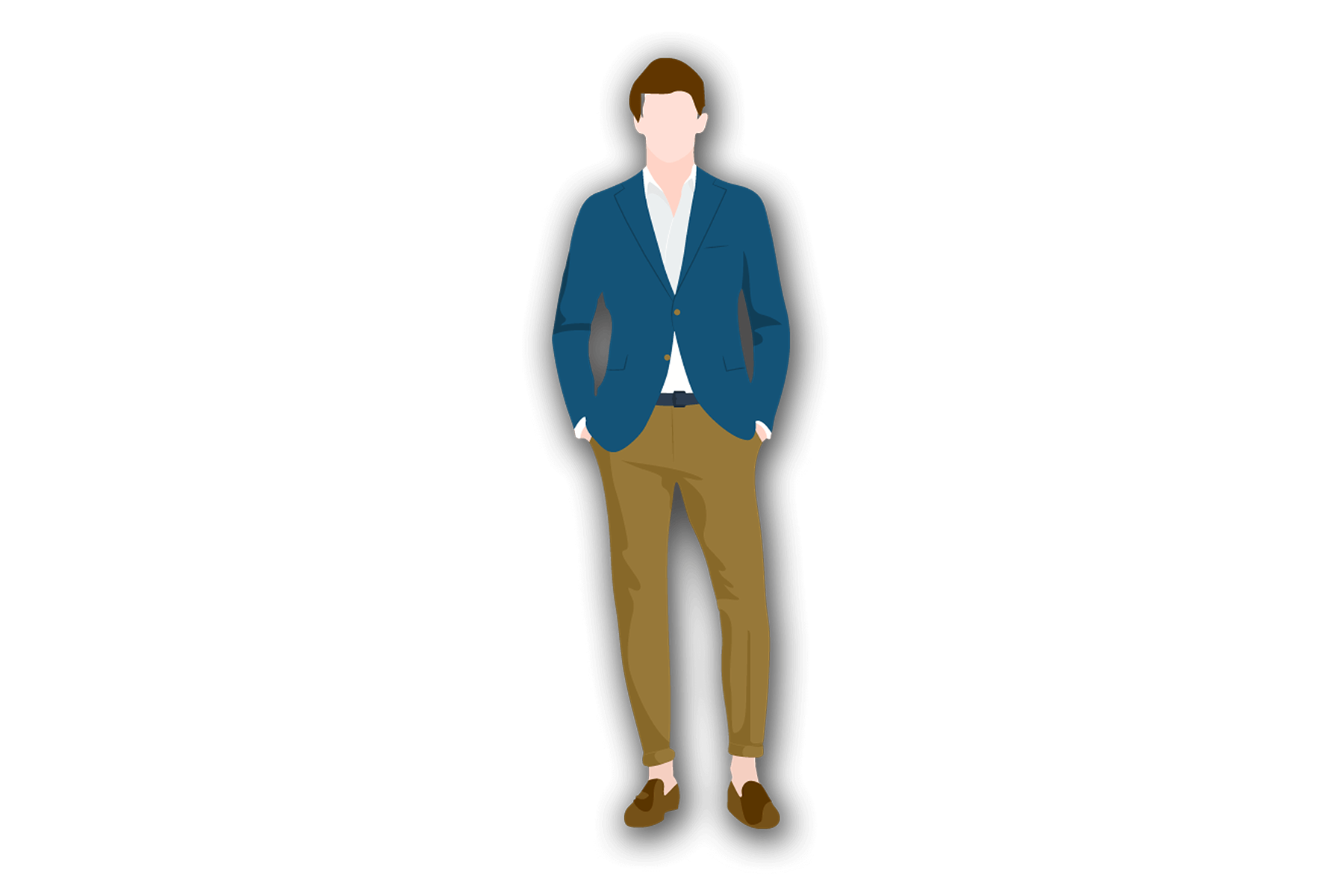
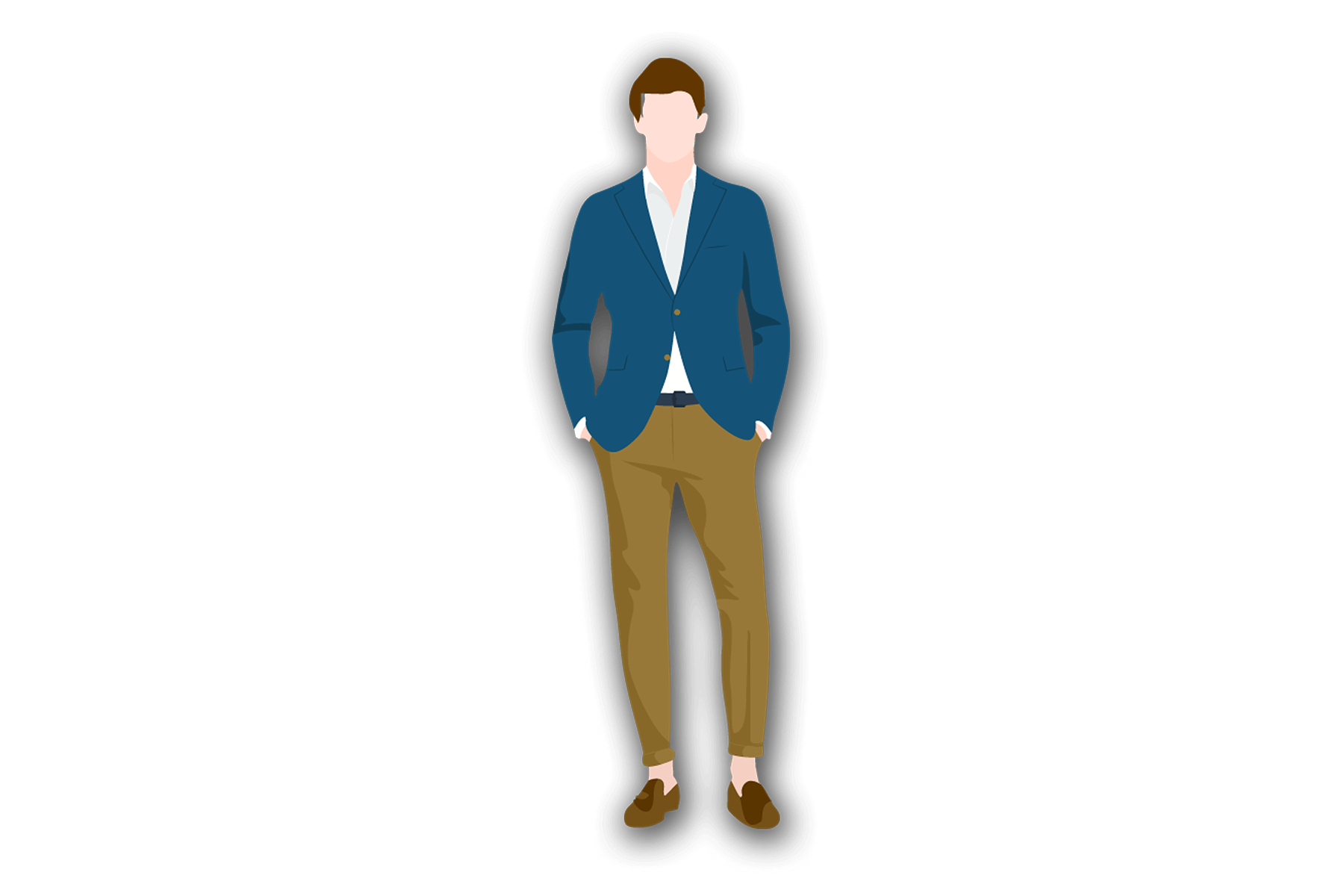
The boundaries between “smart casual” and “business casual” are blurred and not clearly defined. Typically, it’s shoes and a blazer that set the “smart casual” look apart. Additionally, one can be a bit more playful with colors and accents. Individuality and personal style are not overshadowed by the obligation to represent the company. In creative industries, the “smart” dress code is often preferred, where ruffles, lace, or fringe are allowed for women, and other small, colorful accents are permitted for men.
Watch and learn
With common sense and a little thought, you can take cues from your coworkers’ attire while also considering your own appearance and the impression you want to make on others.
Still unsure whether your choice is appropriate? When in doubt, it’s better to opt for a more conservative outfit until the prevailing dress code standards become clearer. Being underdressed leaves a worse impression than being dressed a bit more elegantly. Besides, you always have the option of taking off a piece of clothing—even if it’s just a tie—which immediately makes the whole outfit look more relaxed. You can also always check with the HR department or the event organizer.
Dress Code Guide
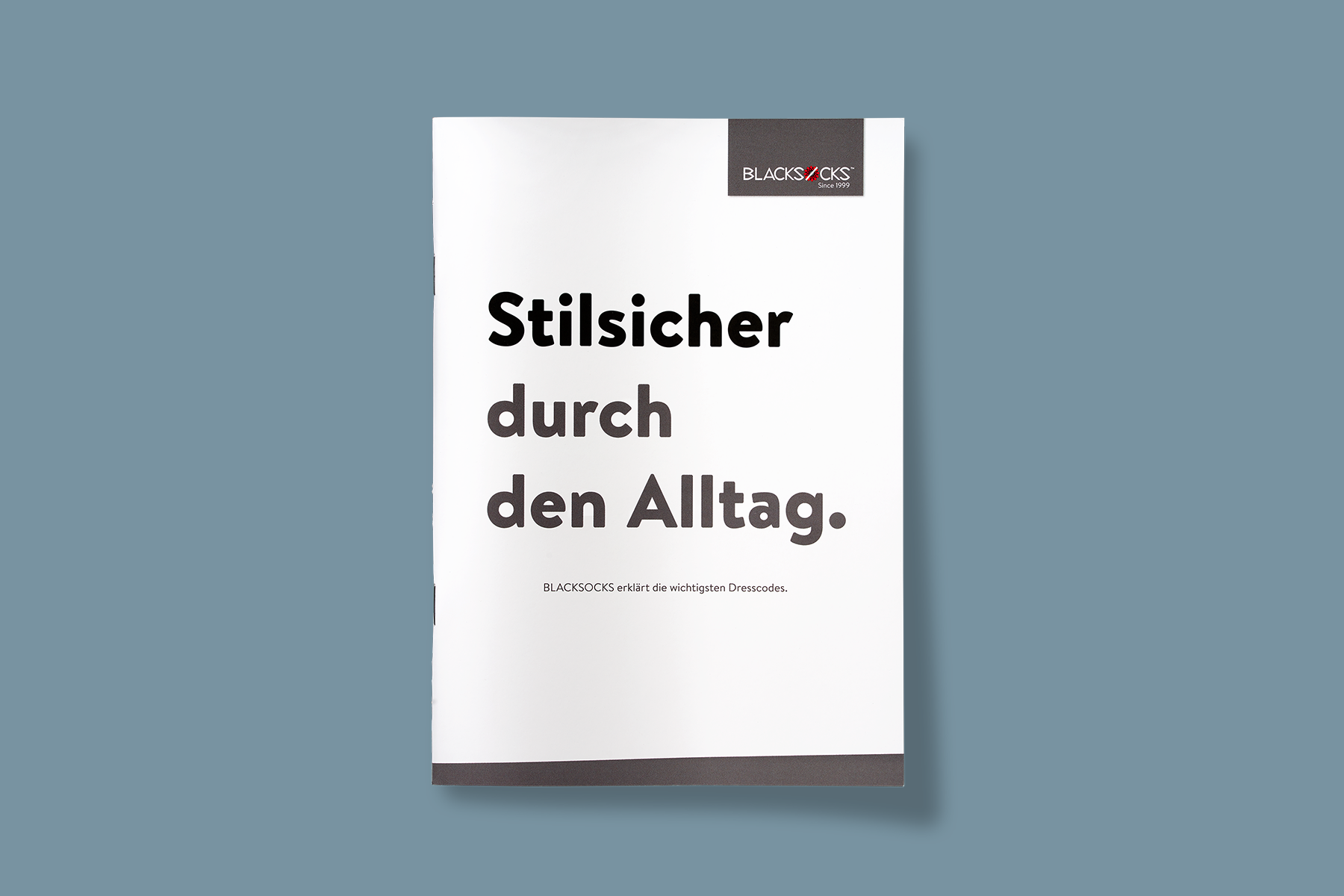
The Dress Code Guide helps you navigate everyday life with style. With a wealth of knowledge about casual, smart casual, business casual, business attire, black tie, and white tie dress codes, you’ll be prepared for any situation.
- An Overview of All Dress Codes
- Tips & Tricks for Every Style
- A handy format for when you’re on the go
"Business Casual" for Women
Selected pieces of a business outfit can be paired with slightly more casual elements: pants with a blouse or a casual top, a dress with dark tights, or a skirt with a cardigan or sweater. For women, there are many categories and styles of clothing, which offers greater flexibility. Shoes should be closed-toe, with no heel or a heel no higher than six centimeters—such as pumps, loafers, or ballet flats.
Casual
Business Casual
Smart Casual
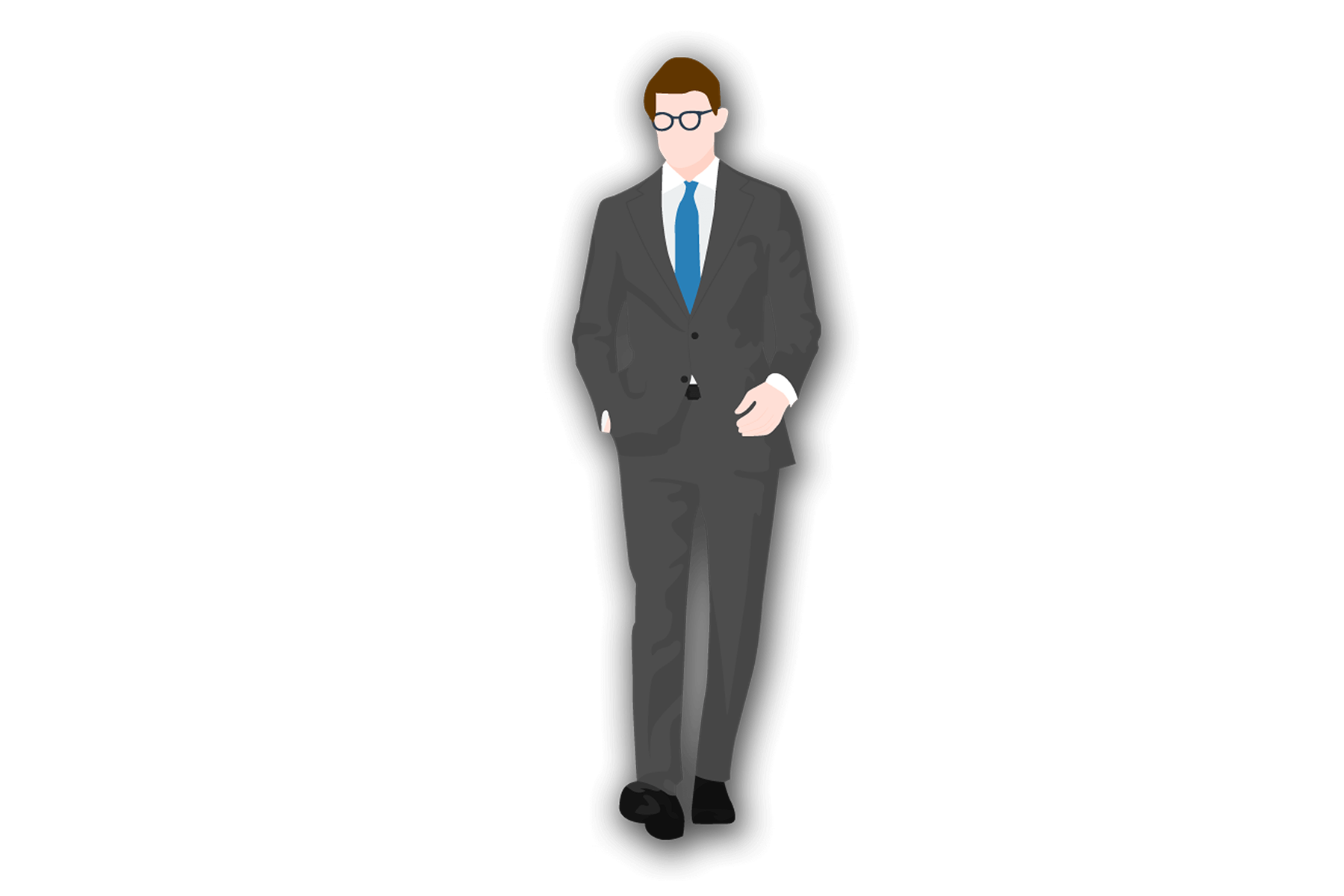
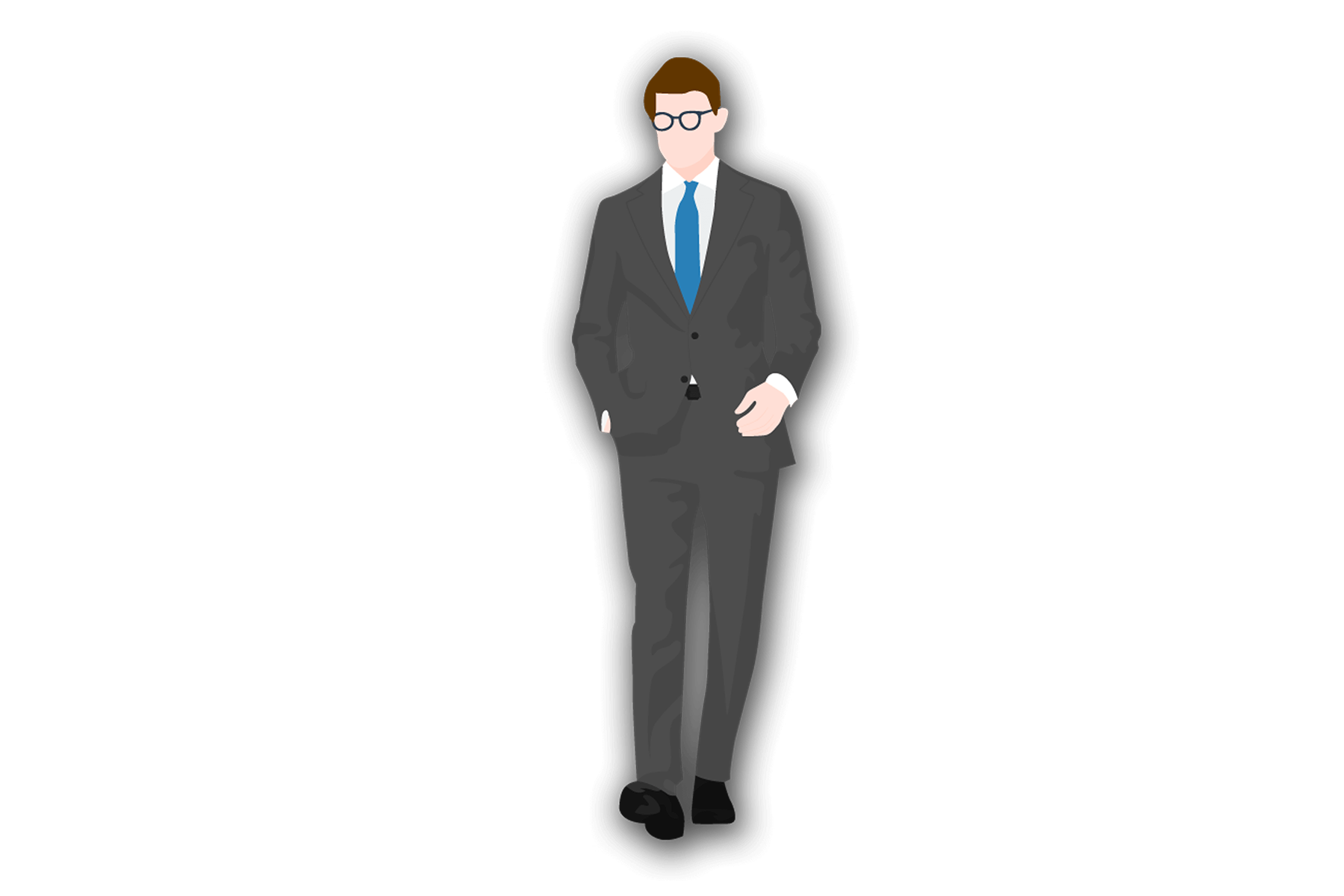
Business Attire
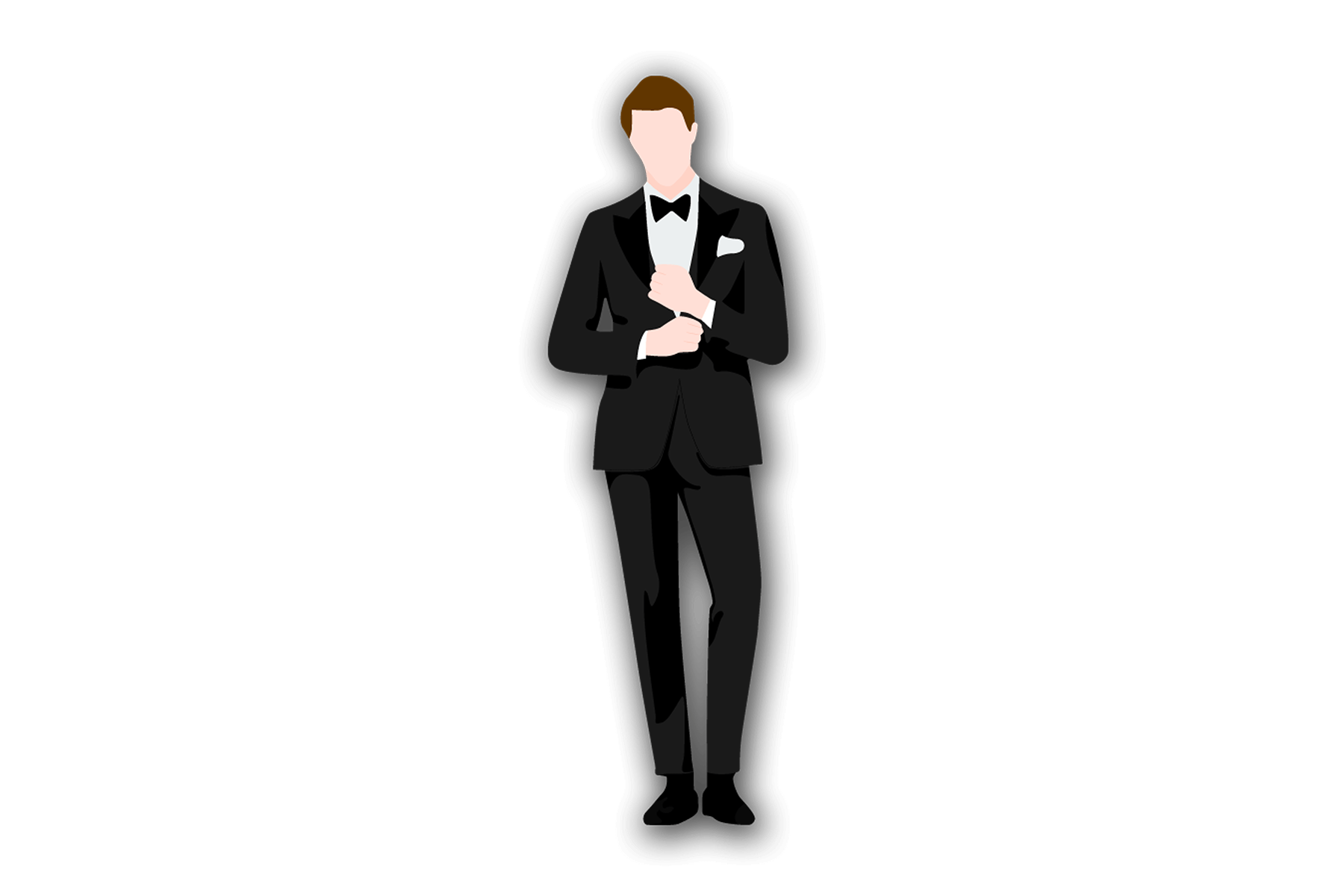
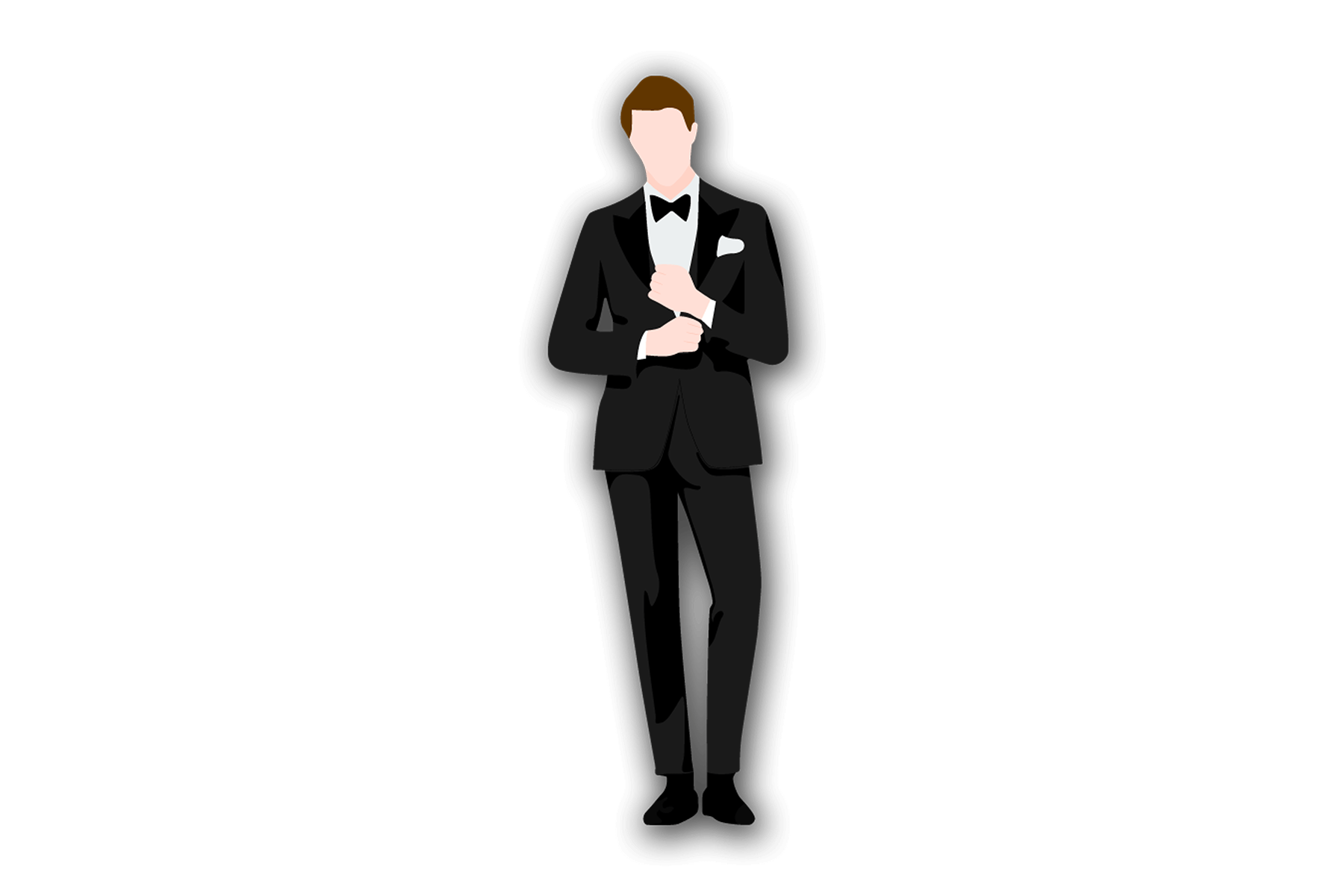
Black Tie